Answering the question, these air purifiers and odor eliminators are among the most effective options for removing smoke smell from indoor spaces. They’re best for: large rooms and open living areas, compact personal use, bedrooms requiring quiet operation, and eco-conscious buyers seeking replaceable or carbon-focused filters. The table below highlights five strong picks and what they’re best for.
| Product | Best For | Why It Stands Out |
|---|---|---|
| MOOKA B-D02L Air Purifier (Black) | Large rooms and pet owners | High 1076 ft² coverage, H13 HEPA with activated carbon for smoke and odors |
| Smoke Trap + Personal Filter | On-the-go smoke control | Replaceable filters, zero-plastic options, portable design |
| AKHQVC Plug-In Ionizers | Quiet, small spaces | Silent operation, negative ions for odor reduction |
| AromaRoom H13 HEPA Air Purifier | Home with pets and kids | 3-in-1 filtration, sleep mode, low noise |
| MOOKA B-D02L White | Large rooms with light aesthetics | Same large-room HEPA + carbon setup, ultra-quiet |
MOOKA Air Purifier for Large Room (Black) B-D02L

This purifier is designed for large spaces up to 1076 ft², making it suitable for living rooms, basements, and open-plan areas. It uses a multi-stage filtration system that includes a pre-filter, H13 true HEPA filter, and activated carbon to capture smoke, odors, pet dander, and dust as small as 0.3 microns. The device runs quietly with a brushless motor and operates at low energy consumption, helping maintain a calm home environment. Best for homes needing strong odor control in sizable spaces.
Who it’s best for: households with pets, smokers, or frequent odor sources who require robust coverage without disrupting daily activities. Limitations: replacement filters are a necessary ongoing cost, and 6 air changes per hour are achieved only in smaller zones (e.g., 215 ft²) for peak performance.
Smoke Trap + Personal Filter
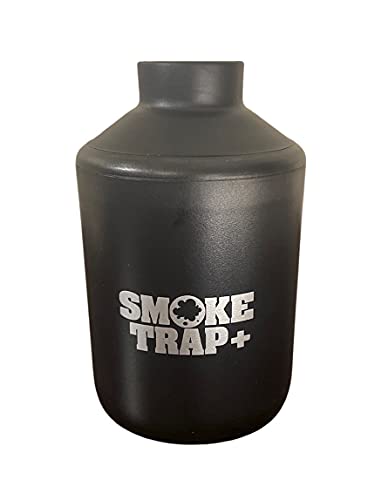
This is a cut-to-fit, long-lasting smoke filter designed for personal usage. It uses a four-stage filtration process including HEPA and activated coconut carbon to eliminate smoke and odors. The filters are replaceable and emphasize sustainability by reducing plastic waste. Best for personal protection in small, confined spaces or for quick odor touch-ups in shared offices or cars.
Who it’s best for: individuals seeking a portable, low-profile solution for smoke and odor removal. Limitation: not intended to purify large rooms or whole-house air, so use it for targeted need rather than whole-room air cleaning.
Plug In Air Ionizers (2 Pack) by AKHQVC
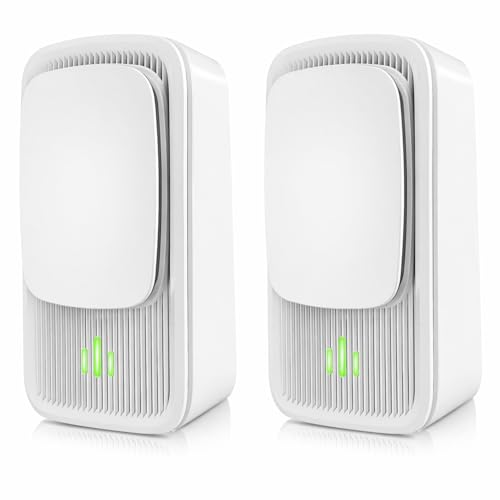
These compact ionizers provide continuous, silent air purification by emitting negative ions to help reduce airborne particles and odors. They’re particularly suitable for bedrooms or home offices where quiet operation is valued. Best for small rooms or to supplement larger purifiers with a low-cost, low-maintenance option. Caution: effectiveness may vary with room size; they don’t replace a dedicated HEPA system for heavily smoky environments.
AromaRoom H13 HEPA Air Purifier

With dual-channel airflow and 360-degree inlets, this purifier targets rooms up to 323 ft² for efficient purification. It features an H13 HEPA filter that captures most pollen, dust, and smoke particles, plus a sleep mode that reduces noise to a gentle level. It’s well-suited for families with children or pets who need a quieter night-time purification. Best for mid-sized rooms where sleep-quality is a priority.
Limitations: performance is optimal in rooms around 323 ft²; larger spaces may require additional units or higher-capacity models for equivalent air changes.
MOOKA B-D02L White Air Purifier

This white variant mirrors the Black model in capability: large-room coverage up to 1076 ft², H13 true HEPA filtration, and activated carbon to address smoke and odors. It runs quietly thanks to a brushless motor and emphasizes energy efficiency. Best for buyers who want a visually neutral device that blends with modern decor while delivering robust odor and smoke control. Caution: identical performance to the black version means choosing based on aesthetic preference.
Buying Guide: Key Considerations For Smoke Odor Removal
- Room size and air changes per hour: For smoke odor control, larger rooms benefit from units advertised for big spaces; check the stated coverage and whether the unit achieves suitable air changes per hour in your area.
- Filtration stages: A combination of pre-filter, HEPA (preferably H13 or higher), and activated carbon is most effective at removing smoke and related odors from the air.
- Noise and energy use: For bedrooms or study spaces, prioritize ultra-quiet models and energy-efficient operation to avoid sleep disruption or high running costs.
- Filter maintenance: Consider replacement frequency, cost, and availability. Some models use replaceable carbon sheets or filters that reduce long-term waste and cost.
- Portability and placement: Personal or desk purifiers suit compact spaces; larger units should be placed where airflow can circulate throughout the room without obstructions.
- Special features: Sleep mode, child locks, and timers enhance usability in homes with kids or pets and can improve overall effectiveness during nighttime use.
Common Questions About Removing Smoke Smell With Air Purifiers
- Do HEPA filters remove smoke odor? HEPA filters capture particulate smoke but odor is primarily addressed by activated carbon filters; many purifiers combine both for best results.
- Is there a limit to smoke removal in large open spaces? For very large or open areas, using multiple units or a single high-capacity purifier is often more effective.
- How long does it take to reduce smoke smell? It varies by room size and filtration efficiency; expect noticeable improvement within a few hours to a day in typical rooms.
- Can air purifiers replace ventilation? Purifiers reduce indoor pollutants, but proper ventilation remains important for air quality; use air purifiers alongside fresh air when possible.
- Are plug-in ionizers safe for bedrooms? Quiet ionizers can help with odors in small spaces, but they should complement, not replace, HEPA-based purifiers for smoke removal.
- How often should I replace filters? Replacement schedules depend on usage and environment; follow the manufacturer’s guidance, typically every 3–6 months for HEPA/carbon combos.