Finding interior doors that safely integrate a pet door can simplify home life for households with cats or small dogs. The options below cover a range of built‑in and ready‑to‑install solutions, balancing accessibility, weather resistance, and DIY ease. Each product is chosen to help you compare styles, sizes, and installation needs so you can pick the best fit for your home.
The following summary highlights five selected products, their primary strengths, and what to expect during installation. This quick reference helps you skim before diving into detailed product sections.
| Product | Brand | Key Feature |
|---|---|---|
| Depets Large Cat Door (Outer Size 9.9″ x 9.2″) | Depets | Four locking modes and compact exterior fit for interior/exterior doors |
| Meow Manor Extra Large Cat Door (No-Flap) | Purrfect Portal | No-flap design with easy DIY installation; fits solid or hollow doors |
| 36″ x 80″ Wooden Front Screen Door with Built-in Pet Door | AINLARRY | Solid wood frame with breathable gauze mesh and built-in pet access |
| PetSafe Wall Entry Pet Door | PetSafe | Interior/exterior wall installation with adjustable frame and locking panel |
| CEESC Extra Large Cat Door | CEESC | 4‑way lock modes with weather seal and clear flap visibility |
Depets Large Cat Door For Interior Or Exterior Doors
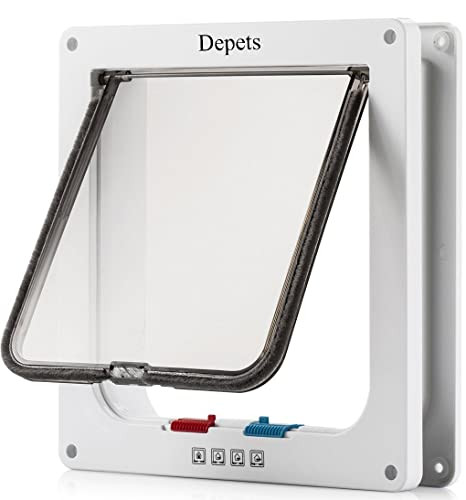
The Depets interior door cat door provides four independent modes to manage in/out access. Swing out only, in only, both directions, or fully locked. Outer dimensions are 9.25″ x 9.92″ with a 7.08″ x 7.48″ inner opening, suitable for cats under 17.64 lb and a waist circumference under 23.62″. Installation is described as straightforward with complete instructions, and the unit can be mounted in doors, cupboards, or other framed openings. This is a compact option ideal for smaller entryways where space is at a premium.
Key considerations include the four‑mode locking system, which offers flexible control for households with multiple pets or children. The door’s size supports most domestic cats, but larger breeds may require a bigger opening. Weather sealing is basic, so you may want to add a sweep or seal if the installation sits at an exterior boundary. Overall, it emphasizes ease of use and practical versatility for interior doors.
Meow Manor Extra Large No‑Flap Cat Door

From Purrfect Portal, this No‑Flap Cat Door is designed for interior doors and supports cats up to 30 lbs. It emphasizes privacy and odor control within the home, offering a secure, trainer‑free setup. The installation is DIY‑friendly with clear instructions and screws for a solid mount in solid or hollow core doors with 1.25″ to 1.75″ thickness. Unlike flap doors, this model avoids paw snagging and reduces the risk of mischief near litter boxes.
The main advantages lie in its simple, flapless design and straightforward installation. It is a good match for homes prioritizing clean lines and pet privacy. Because it’s a no‑flap system, you’ll want to ensure your cat is comfortable with a door that lacks a tactile entry barrier. For mid‑to‑large cats, this model provides ample space while maintaining a compact footprint for interior doors.
36″ x 80″ Wooden Front Screen Door With Built‑In Pet Door

This 36″ x 80″ wooden screen door by AINLARRY combines a traditional front door aesthetic with a built‑in pet access panel. The door slab is crafted from premium solid pine and is designed to resist warping and weathering, making it suitable for exterior or interior use. The door includes a breathable gauze mesh panel to promote airflow while keeping insects out, ideal for porches, patios, or interior entries needing a natural look.
Fit guidance emphasizes precise opening measurements before purchase. The product page provides clear guidance for rooms with jambs or without, and suggests verifying opening dimensions with a tape measure. While the combination of a built‑in pet door and a solid wood frame is visually appealing, installation may require more effort than standard interior doors, especially if you’re integrating this unit into an existing doorway. Consider professional installation if your opening isn’t perfectly sized.
PetSafe Plastic Pet Door For Doors, Walls, And More

The PetSafe Plastic Pet Door is designed for wood, PVC, metal, and paneled doors with a flexible, weather‑resistant flap. It offers easy DIY installation in 1/16″ to 2″ thick doors and comes with a lockable slide panel to control when your pet can pass through. The opening measures 5 1/4″ W x 8 1/8″ H, suitable for pets weighing up to 15 lb, such as small cats or most small dog breeds. The rust‑free, paintable frame helps blend with diverse home styles.
Pros include versatility across door materials and thicknesses, plus a straightforward locking mechanism for household control. The no‑flap or flap option is a trade‑off: no flap is safer for paws and reduces wear, but you’ll lose some insulation. If you need a robust, low‑maintenance solution that can be easily swapped between interior and exterior doors, this is a practical choice.
CEESC Extra Large Cat Door With 4‑Way Lock
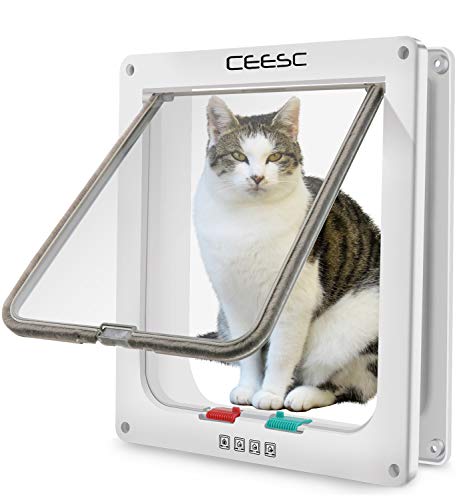
The CEESC door offers a 4‑way switch with four modes: out only, in only, both directions, and fully locked. Outer dimensions measure 9.8″ x 11″ and inner dimensions are 7.9″ x 8.7″, with a cut‑out size of 8.3″ x 9.5″. It is designed for doors and thin walls and supports pets up to about 27.54 lbs. The door features a transparent flap for visibility and rain seals for weather resistance, complemented by a brush strip to reduce noise as the door closes.
Consider this option if you want a larger interior access panel with flexible locking options and improved weather sealing. The weatherproof design helps in exterior transitions, while the transparent flap enhances pets’ comfort by letting them see through. It works well for households with multiple animals or where a sturdy, lockable door is desired for indoor/outdoor transitions.
Buying Guide: Key Purchase Considerations
When selecting an interior door with built-in pet access, several factors help ensure the right fit for your home and lifestyle:
- Door type and location: Consider whether you need a built‑in unit for an exterior/entry door, an interior room door, or a wall installation. Built‑in pet doors reduce modifications but may limit style choices.
- Size and weight limits: Check the opening and inner dimensions to ensure your pet comfortably fits through. Larger cats or small dogs require bigger openings and stronger frames.
- Locking mechanics: Decide between no‑flap, flap, or 4‑way locking options. Locking modes aid in controlling access during sleep, travel, or training.
- Material and durability: Wood panels offer aesthetic appeal but may require maintenance; plastic and aluminum frames provide lightweight durability and easier cleaning. Weather seals matter for exterior or drafty locations.
- Installation complexity: Some models are DIY‑friendly with simple mounting, while others require precise cutting or professional help, especially for wall installations or built‑in door systems.
- Privacy and odor management: Some doors (like Meow Manor models) emphasize sealed spaces to reduce odors near litter areas, which can affect room fragrances and cleaning needs.
- Ventilation and visibility: Gauze mesh or clear flaps improve airflow and allow pets to navigate more naturally, while ensuring minimal drafts and pests.
- Maintenance and cleaning: Choose materials that resist grime, with easy‑to‑clean flaps and seals. Removable panels simplify routine maintenance.
Comparing the five options above, you can tailor your choice to your home’s architecture, your pet’s size, and your installation preferences. For apartments or rental homes, interior door solutions with no or light modification are often preferable. For homes with porches or high traffic, weatherproofing and robust locking systems help maintain energy efficiency and security. Always verify fit in your exact doorway, and consider any jambs, trims, or stair landings that may affect fit and operation.