Direct answer: These external wall insulation products help reduce heat loss, improve energy efficiency, and curb drafts for American homes. The best options are reflective foils and foam-core shields that stop radiant heat transfer and seal vulnerable wall gaps. This guide highlights five top picks and explains who each is best for, plus practical buying tips.
| Product | Best For | Why It Stands Out |
|---|---|---|
| Frost King SP1 Multi-Purpose Fiberglass Insulation Roll | Wall cavities and ducts | Versatile fiberglass that can be cut to size and used in walls and heating/cooling ducts. |
| MRRAPA Reflective Double Bubble Aluminum Foil Sheet | Radiant heat reduction | Extra thick 6mm bubble layer with dual aluminum foil for high reflectivity. |
| INSULATION MARKETPLACE SmartSHIELD – Reflective Foam Core | All-around radiant barrier | 3mm foam core with engineered foil on both sides for a durable vapor barrier. |
| US Energy Products Reflective Foam Core Insulation Shield | Moisture resistance and fire safety | Waterproof, metalized film, and foam core with fire rating considerations. |
| M-D Building Products Foam Tube Pipe Insulation | Wall-to-pipe interface and moisture control | Polyethylene foam reduces condensation and shields pipes within wall assemblies. |
Frost King SP1 Multi-Purpose Fiberglass Insulation Roll

Best for: Homeowners upgrading wall cavities and ducts with a flexible, cut-to-size material. The Frost King SP1 is a fiberglass roll that can be trimmed for irregular spaces in exterior walls and doorways. It also reduces noise and cushions delicate surfaces when used around pipes or in heater ducts.
Why selected: This product provides straightforward installation for walls and spaces where rigid panels are impractical. It offers thermal resistance and can double as a cushion for vibration or impact near exterior fixtures. A caveat: fiberglass can cause itch or irritation if handled without gloves and proper protection.
Who it’s for: DIY installers seeking a versatile, affordable insulation option for wall gaps, along with a simple way to insulate smaller ducts or pipes in exterior-facing areas.
MRRAPA Reflective Double Bubble Aluminum Foil Sheet

Best for: Exterior walls and attic spaces needing a radiant barrier. The MRRAPA sheet uses a 6mm double bubble core with aluminum foil to reflect solar heat and reduce radiant heat transfer through walls.
Why selected: It’s notably effective at blocking radiant energy, keeping interior temperatures steadier. The package includes adhesive pads for easier mounting and a clear note about fit and placement. Limitation to consider: the reflective surface works best when installed with an air gap and proper sealing; it may underperform if fully pressed into tight spaces without a gap.
Who it’s for: Homeowners who want a high-reflectivity solution for exterior walls or attics and prefer a straightforward installation with adhesive assistance.
INSULATION MARKETPLACE SmartSHIELD -3mm Reflective Insulation Roll
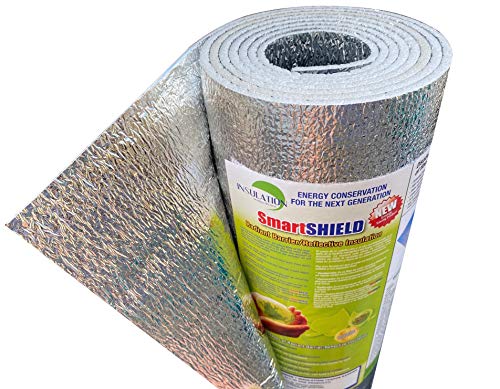
Best for: Walls and ceilings needing a compact, durable radiant barrier with a built-in vapor barrier. The SmartSHIELD combines a 3mm closed-cell foam core with a reflective foil on both sides and is designed to be easy to cut and install.
Why selected: The combination of vapor barrier properties and heat reflectivity makes it a practical choice for external wall applications where moisture control matters. A consideration: the foam core is not the same as rigid foam panels, so it’s best for spots where flexibility and ease of fit are needed rather than heavy structural insulation.
Who it’s for: Insulation projects where quick installation, moisture resistance, and a strong radiant barrier are priorities, such as exterior walls with irregular layouts.
US Energy Products Reflective Foam Core Insulation Shield

Best for: Exterior wall assemblies needing a robust, waterproof barrier with fire-code alignment. The product features a waterproof double-sided metalized film and a foam core, offering strength and a vapor barrier in one.
Why selected: It provides a balance of heat resistance and moisture protection—useful for exterior walls exposed to humidity or temperature swings. Limitation: as with any reflective barrier, performance depends on correct installation and air gaps, so accuracy in placement is key.
Who it’s for: Builders or homeowners looking for a shield that combines moisture resistance, thermal protection, and fire-code compatibility in exterior applications.
M-D Building Products Foam Tube Pipe Insulation

Best for: Wall-to-pipe interfaces and moisture control within exterior wall assemblies. This polyethylene foam tube helps reduce condensation and protects pipes that run along or inside exterior walls.
Why selected: It’s a practical accessory for improving wall insulation by addressing potential moisture and condensation issues in pipe runs. A caution: this product is a pipe insulation solution, so pair it with other wall insulation methods for full exterior coverage.
Who it’s for: Homeowners or contractors focusing on wall penetrations where pipes meet exterior walls and need a simple, lightweight insulation solution.
Buying Guide: External Wall Insulation Essentials
What to consider when choosing
- Heat transfer type: Choose reflective foils to reduce radiant heat or fiberglass/foam cores for bulk insulation in wall cavities.
- Moisture management: Look for vapor barriers and waterproof coatings to protect exterior assemblies.
- Installation ease: Flexible foils and foam cores are easier to fit in irregular spaces; rigid panels may offer higher R-values per inch.
- Acoustic benefits: Some products also dampen noise from the outside when used in walls or attics.
- Safety and codes: Verify fire ratings and compatibility with local building codes for exterior applications.
How to install effectively
- Prepare surfaces: Clean and dry exterior walls; seal gaps before applying reflective foils or foam shields.
- Control air gaps: Maintain small air gaps behind reflective layers to maximize effectiveness.
- Secure components: Use appropriate fasteners and adhesive pads to prevent damage from wind or weather exposure.
- Seal edges: Use compatible sealants around edges and junctions to stop drafts and moisture intrusion.
Multi-product strategy
For best results, combine products that address both radiant heat and air leakage. Start with a reflective barrier on exterior walls, then add a secondary insulation layer in wall cavities or around ducts where accessible. Don’t overlook small gaps around outlets and switches—gap seals can substantially boost overall efficiency.
FAQ
- What is the primary benefit of reflective insulation for exterior walls?
It reduces radiant heat transfer, helping keep interiors cooler in summer and warmer in winter. - Do I need a vapor barrier with reflective insulation?
Many products include a vapor barrier; if not, consider a compatible vapor barrier in moisture-prone areas. - Can fiberglass insulation be used on exterior walls?
Yes, but it must be properly sealed and protected from moisture to prevent mold. - Is foam core insulation suitable for all climates?
It works well in many climates but evaluate humidity and wind exposure to choose the right thickness and barrier. - Should I hire a professional for exterior wall insulation?
For complex exterior assemblies or high-rise projects, professional installation is advisable to ensure code compliance and performance.