Answering the common buyer question: which solid oak window sills offer durable, paint-ready, and aesthetically pleasing options for both restoration projects and new builds? This guide highlights five top picks, all featuring solid oak, unfinished or ready-to-finish options, and wooden construction designed to resist warping and creasing. Ideal for homeowners, contractors, and DIY enthusiasts seeking authentic oak grain, easy customization, and long-lasting trim accents for living rooms, kitchens, and bays. Below, compare each product, who it’s best for, and practical buying considerations.
Summary table of selected products
| Product | Wood Type | Length | ||
|---|---|---|---|---|
| EWWS13 Colonial Windowsill 5-1/4″ x 3/4″ – 94″ | 94″ | Unfinished | ||
| APMOE Window Sill Protector – Natural Oak | 3.9″ x 62.9″ | Natural Oak finish (sealed in product use) | ||
| EWWS12 Colonial Windowsill 3-1/2″ x 3/4″ – 42″ | 42″ | Unfinished | ||
| EWWS13 Colonial Windowsill 5-1/4″ x 3/4″ – 42″ | 42″ | Unfinished | ||
| EWWS11 Colonial Windowsill 2″ x 3/4″ – 42″ | 42″ | Unfinished |
EWWS13 Colonial Windowsill 5-1/4″ W x 3/4″ Stool – 94″
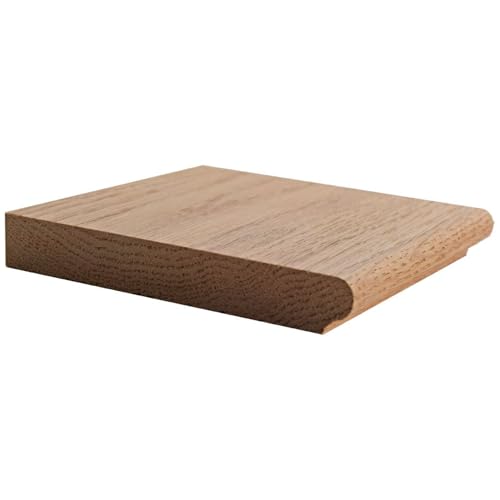
Premium solid hardwood molding milled in the USA. This unfinished red oak sill is ready for paint or stain, ideal for both restoration projects and new builds. It’s VOC-free and eco-conscious, emitting no harmful chemicals.
Best for: Buyers restoring period-accurate interiors or adding a tall, crisp sill to bay windows. The 94″ length reduces seams on long spans.
Why chosen: The 5-1/4″ width creates a pronounced, architecturally authentic ledge that pairs well with traditional moldings.
Limitation: Unfinished surface requires staining or painting for protection and color match, which adds a finishing step.
APMOE Window Sill Protector From Dogs/Cats/Water – Natural Oak

This solid oak window sill protector is designed to cover existing sills, shielding them from pet scratches, moisture, and daily wear. It’s suitable for various indoor spaces and window styles, including bay windows and sills in kitchens, living rooms, and bedrooms.
Best for: Homes with pets or high-traffic areas where window sills endure frequent contact.
Why chosen: Oak’s natural durability and water resistance help prolong sill life in busy homes.
Limitation: It’s a protective cover, not a replacement sill; depth and finish may require compatibility checks with existing trim.
EWWS12 Colonial Windowsill 3-1/2″ W x 3/4″ Stool – 42″

Premium solid red oak molding milled in the USA with an unfinished surface. Suitable for precise restorations or new builds that require a shallow sill footprint. VOC-free and eco-friendly.
Best for: Smaller windows or rooms needing a slim, authentic oak sill without a long projection.
Why chosen: The shorter length is ideal for compact interiors or tight retrofit spaces while maintaining oak aesthetics.
Limitation: Unfinished surface needs finishing to protect against moisture in high-humidity areas.
EWWS13 Colonial Windowsill 5-1/4″ W x 3/4″ Stool – 42″
Another 5-1/4″ wide red oak option, unfinished for customization. It’s designed for both restoration projects and new builds, providing a warm, natural grain that accepts stains or paints well.
Best for: Replacing long windowsills where a wide, durable oak sill improves interior lines.
Why chosen: The same robust profile in a shorter length offers consistency with other oak moldings in the space.
Limitation: Longer spans still require careful handling to avoid warping during finishing.
EWWS11 Colonial Windowsill 2″ W x 3/4″ Stool – 42″

Compact option in unfinished red oak suitable for traditional interiors or narrow window frames. It provides a crisp edge and a classic oak feel with a smaller footprint.
Best for: Narrow windows or rooms where a slim, understated sill is preferred.
Why chosen: Availability in a narrower width makes it versatile for retrofit projects with limited sill depth.
Limitation: The narrower profile may offer less surface area for display or seasonal trim accents.
Buying Guide: Key Purchase Considerations
- Finish and maintenance: Unfinished sills require sealing, staining, or painting. Pre-finished options reduce work but may limit color matching.
- Dimensions: Measure width, depth, and projection to ensure a proper fit with existing casings and trim. Longer lengths minimize seams but may require handling during installation.
- Wood type and stability: Red oak is common for window sills due to strength and appealing grain. Check for straight grain, minimal knots, and moisture resistance.
- Application: Choose full replacement sills for damaged boards or protective covers for high-traffic areas. Bay windows often benefit from wider sills for visual balance.
- Finish compatibility: If you plan to pair with other molding, ensure grain and color complement existing trim and cabinetry.
- Maintenance: Oak is durable but benefits from periodic sealing, especially in humid kitchens or bathrooms.
Frequently Asked Questions
- What is the benefit of unfinished oak window sills?
Unfinished sills allow full customization with your chosen color and finish, ensuring a precise match with existing woodwork. - Can oak sills be used in damp areas?
Oak is durable, but it should be sealed or finished to resist moisture in bathrooms or kitchens. - Are wider sills better for bay windows?
Yes, wider sills provide a proportionate look and can offer more display space and ledge area. - Should I replace the sill or install a protector?
Replace damaged sills for structural integrity; use protectors to extend life when replacement isn’t necessary. - What installation considerations matter for long sills?
Check for coverage of seams, surface prep, and secure anchoring to avoid warping or shifting.