Choosing the right hot water storage solution can improve comfort and cut wait times for showers, dishes, and laundry. This guide reviews five well-regarded household hot water tanks that fit under sinks, in cabinets, or near main hot water sources. Each option balances size, efficiency, and durability to suit common American homes. Below is a quick summary to help you compare features at a glance.
| Product | Type | Capacity | Key Benefit |
|---|---|---|---|
| BOSCH Electric Mini-Tank Tronic 3000 T ES2.5 | Point-of-use | 2.5 gal | Near-sink hot water with 98% efficiency |
| ThermoMate Tank Water Heater, 18 Gal | Storage | 18 gal | Moderate capacity, adjustable thermostat |
| InSinkErator HOT250 Instant Hot Water Dispenser | Instant | 2/3 gal tank | Near-boiling water on demand |
| InSinkErator HWT-00 2/3 Gal Tank | Storage | 2/3 gal | Simple under-sink instant hot water |
| Feelrogast 8 Gal Electric Tank Water Heater | Storage | 8 gal | Under-sink option with strong insulation |
BOSCH Electric Mini-Tank Water Heater Tronic 3000 T ES2.5
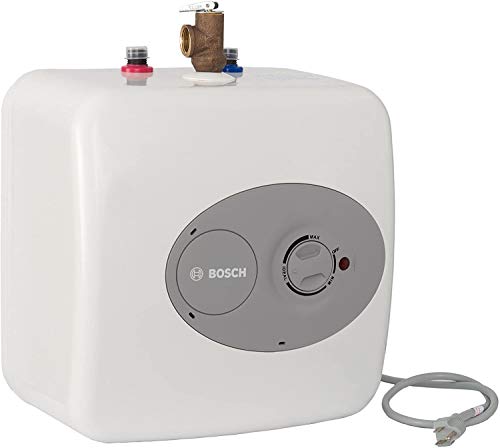
The Bosch ES2.5 is a compact 2.5-gallon point-of-use heater designed to sit under a sink. It delivers hot water quickly at the point of use, reducing wait times for handwashing and dish tasks. Thermal efficiency sits around 98%, helping conserve energy. Installation is flexible, with a 36-37 inch cord enabling standalone or inline connection to a larger hot water source. Its glass-lined interior supports durability, and the unit is suitable for outlets commonly found in residential spaces.
ThermoMate Tank Water Heater Electric, 18 Gallon

The ThermoMate 18-Gallon tank provides a larger reserve of hot water suitable for kitchens and bathrooms with modest demand. The unit features a factory-set 125°F temperature that’s adjustable from 90°F to 150°F. Its compact low-profile design is compatible with 120-volt hard-wired installations and can function as standalone or booster water heating. The corrosion-resistant INCOLLOY-800 heating element offers improved durability and energy efficiency over copper at high temperatures, contributing to longer service life and lower operating costs.
InSinkErator HOT250 Instant Hot Water Dispenser System

The HOT250 system provides near-boiling water on demand with an 750-watt 2/3-gallon stainless steel tank. The faucet stands about 8.21 inches tall, and its single-handle design simplifies operation while a 360-degree swiveling spout supports flexible placement. This setup is ideal for quick cooking tasks, hot beverages, and fast dish cleanup, saving time and reducing energy expenditure by heating only what you need when you need it.
InSinkErator Instant Hot Water Tank, 2/3 Gallon
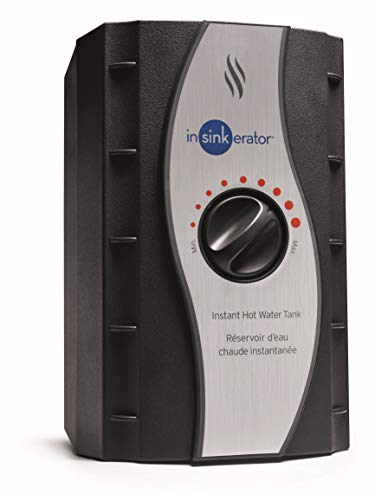
The HWT-00 is a compact 2/3-gallon stainless steel tank with a 750-W heating element. It features an adjustable temperature control, allowing near-boiling water customization for cooking and cleaning. The tank is designed for straightforward DIY installation under a standard sink and includes dry start protection to prevent damage if powered with low water. Its durable stainless construction supports reliable performance and long life in busy kitchens.
Feelrogast Electric Tank Water Heater 8 Gallon

The Feelrogast 8-gallon model offers a practical balance between storage capacity and space usage. It is designed for under-sink installation and supports a wide temperature range from 86°F to 167°F with an intuitive control panel. Safety features include insulation and robust exterior, plus a pressure valve to guard against overheating. This unit pairs well with larger hot water sources to provide supplementary hot water where needed in kitchens, bathrooms, or utility areas.
Buying Guide: Key Purchase Considerations
When selecting a household hot water tank, consider capacity, installation location, and compatibility with your existing plumbing. Point-of-use units excel at reducing wait times at a single faucet, while storage tanks provide more universal supply for multiple outlets. Tank material and heating element type influence durability and energy efficiency, especially in hard water areas. Always verify voltage requirements, amperage draw, and whether your electrical panel can support the unit. For homes with limited space, compact under-sink models are preferable, but ensure adequate clearance for servicing and ventilation.
Other important factors include: installation flexibility (standalone vs inline with a larger heater), thermostat range and accuracy, insulation quality, and safety features such as dry-start protection, temperature-pressure relief valves, and anti-scaling coatings. If you frequently use multiple hot water outlets, a larger-capacity tank or a high-capacity tankless option might be warranted. Finally, assess long-term operating costs: units with higher energy efficiency and better insulation typically save money over time despite higher upfront costs.
Across the options reviewed, users should balance the need for immediacy of hot water (point-of-use vs whole-house), the available space, and how much hot water is required during peak usage. The right combination of capacity, efficiency, and durable materials will maximize comfort and minimize waste in daily routines.