Looking for aged red cedar shingles that combine classic aesthetics with solid performance? This guide highlights five top options best suited for different buyer needs, from rustic DIY projects to premium exterior siding. Each product is evaluated for appearance, installation ease, and long-term stability, helping you choose the right cedar shingles for roofing or sidewall applications.
Quick lookup table of selected products:
- Briwooody 64 Pcs Western Red Cedar Shingles Chips — Best for small projects and budget-friendly interior/exterior accents
- 24″ #1 Royals Western Red Cedar Shingles (CVG) — Best for premium exterior siding and visible architectural detailing
- Miller Shingle 18″ #4 Undercourse Cedar — Best for undercoursing and starter courses
- Miller Shingle 18″ Rebutted & Rejointed (R&R) — Best for sidewalls with efficient coverage
- 18″ #1 Perfections Western Red Cedar Shingles — Best for uniform appearance and reliable CVG quality
Briwooody 64 Pcs Western Red Cedar Shingles Chips

Best for small projects and DIY enthusiasts who want natural moisture resistance and easy installation. This package provides 64 shingles, each about 18″ long, 5.8″ wide, and 0.6″ thick at the butt, tapering to 0.1″. The shingles cover roughly 20-25 square feet, and the natural western red cedar offers inherent moisture, decay, and pest resistance. They are suitable for roofing or interior/exterior accents and provide solid insulation and soundproofing. A possible limitation is the smaller board size, which may require more pieces for larger surfaces.
24″ #1 Royals Western Red Cedar Shingles

Best for visible exterior siding and architectural projects that demand a premium appearance. These CERTI-grade shingles use clear vertical grain Western Red Cedar for improved stability and longevity. The 24″ length provides wider exposure and efficient coverage, contributing to a refined look once installed. Choose this if you want a higher-grade CVG cedar with a bold exterior statement; note that longer shingles may require more precise cuts and handling on the job site.
Miller Shingle 18″ #4 Undercourse Cedar Shingles

Best for undercoursing of double sidewall courses and starter shingles. This 1-square carton uses 18″ Western Red Cedar shingles designed for underlayment and back-to-back installations. It covers 100 square feet at 14″ exposure or 50 square feet at 7″ exposure, offering predictable coverage for starter and secondary layers. Best for builders prioritizing reliable fit and known exposure, with the caveat that undercourse shingles require careful alignment to achieve a uniform look.
Miller Shingle 18 Inch Rebutted and Rejointed (R&R) Sidewall Shingles
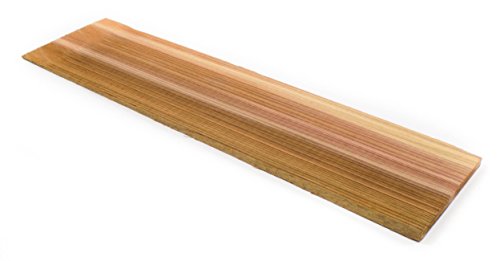
Best for sidewalls with efficient coverage and a clean edge. These 18″ shingles are high-grade #1 kiln dried, grooved on one side, and rebutted/rejointed for seamless installation. A standard 1/2 square carton covers about 50 sq ft at 14″ exposure when double coursed. They offer precise shaping for a neat, uniform sidewall appearance but require careful handling during installation to maintain alignment and avoid gaps.
18″ #1 Perfections Western Red Cedar Shingles

Best for a uniform appearance with minimal knots and a smooth texture. These CERTI-grade shingles feature clear vertical grain Western Red Cedar, offering stability and resistance to rot when properly installed and maintained. The 18″ length is ideal for balanced exposure and easier handling, providing a clean, consistent exterior look. A potential limitation is that higher-grade shingles may come with stricter installation requirements to maintain CVG aesthetics.
Buying Guide: Key Considerations For Aged Red Cedar Shingles
- What grade should you choose? Higher grades (CVG, CERTI-grade) deliver a cleaner appearance with fewer imperfections, ideal for visible siding.
- Which exposure size fits your project? Longer shingles offer wider exposure; shorter shingles can be easier to handle on smaller surfaces or intricate surfaces.
- Are you installing on roof or walls? Some shingles are specifically designed for undercoursing or sidewall use (R&R), while others are versatile for roofing and siding.
- What climate considerations matter? Western red cedar naturally resists moisture and pests, but proper sealing, venting, and maintenance are important in humid or extreme climates.
- How important is installation ease? Some options feature rebutted or grooved designs that simplify alignment and minimize waste, while others require precise cutting for a clean finish.
Frequently Asked Questions
- What is CVG and why does it matter? Clear Vertical Grain (CVG) indicates grain orientation with higher stability and a polished look, reducing warping over time.
- Can cedar shingles be used for roofing and siding? Yes, many options are suitable for both roofing and siding, but verify the exposure and installation method for your specific project.
- Are these shingles pre-treated against pests? Cedar is naturally resistant to pests, but surface treatments and sealing help extend life in challenging climates.
- How should cedar shingles be maintained? Regular cleaning, periodic sealing or staining, and inspections for moisture damage help preserve appearance and performance.
- What installation considerations affect longevity? Proper ventilation, moisture control, and correct nailing patterns are essential to prevent warping and decay.
- Which product is best for beginners? Products with clear installation guidelines, undercourse suitability, and straightforward exposure are generally easier for DIYers.