Answering the need for reliable basement ventilation, crawlspace and window fans help move stale air, balance humidity, and reduce odors. This guide highlights five solid options for basements, crawlspaces, or adjacent spaces that often need extra airflow. Each pick is explained with who it’s best for, why it was selected, and practical considerations to help you decide quickly.
| Product | Best For | Key Benefit |
|---|---|---|
| CADPXS Crawlspace Ventilation Fan | Crawlspaces and basements with humidity control needs | Built-in humidistat/dehumidistat and freeze protection |
| AC Infinity AIRTITAN T8-N | Basements needing moisture and odor control with smart controls | WiFi app compatibility and programmable humidity/temperature |
| Vornado TRANSOM Window Fan | Single- or double-hung windows seeking flexible exhaust/intake | Four speeds, reversible exhaust mode |
| AC Infinity AIRTITAN T8 | Exhaust-focused basement ventilation | Exhaust airflow with dynamic programming |
| Crawl Space Power Vent – Advantage Vent | Replacement for standard crawl vents with seal | Seals when closed and fits 16″ x 8″ openings |
Note on selection: The five products cover a range from built-in crawlspace fans with humidity control to versatile window and wall-mounted exhaust options. They are selected for practical installability, clear airflow claims, and suitability for improving basement air quality.
CADPXS Crawlspace Ventilation Fan
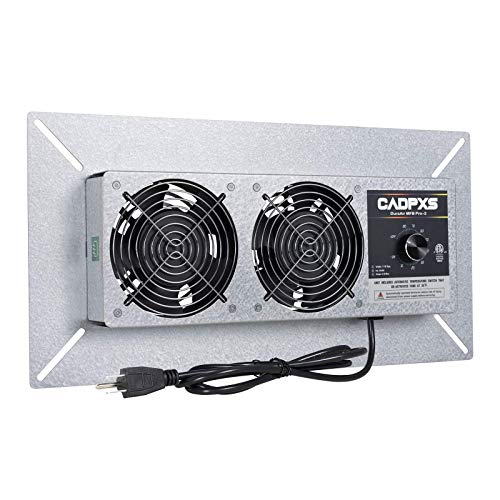
Dimensions: 18″ x 9″ x 2″. Airflow: 220 CFM. This crawlspace fan uses dual motors and a grounded 6.56-foot power cord to exhaust air out of damp areas. It includes a built-in humidistat (20%–80% RH range) and a dehumidistat, helping balance moisture and reduce indoor vapor migration. It also features a freeze protection thermostat that prevents activation when outdoor temperatures are too low. Best for: crawlspaces or basements with humidity issues where radon and odor control are priorities. Limitation: performance depends on proper duct routing and external temperature range; very cold climates may require ancillary insulation. Why selected: strong humidity control and temperature safeguards make it a solid all-season baseline option for damp spaces.
AC Infinity AIRTITAN T8-N Crawlspace Basement Ventilator

Best for: homes needing integrated humidity and temperature control with smart features. This model focuses on intake airflow to reduce humidity and bring in fresh air, paired with dynamic programming for temperature, humidity, and VPD (vapor pressure deficit). It supports timers, cycles, and scheduling, plus minimum speed control. Why selected: a highly configurable system suited for basements and crawlspaces where moisture and stale air are persistent concerns, with app-based control for remote monitoring. Caution: installation may require network setup and compatibility checks with existing venting hardware.
Vornado TRANSOM Window Fan
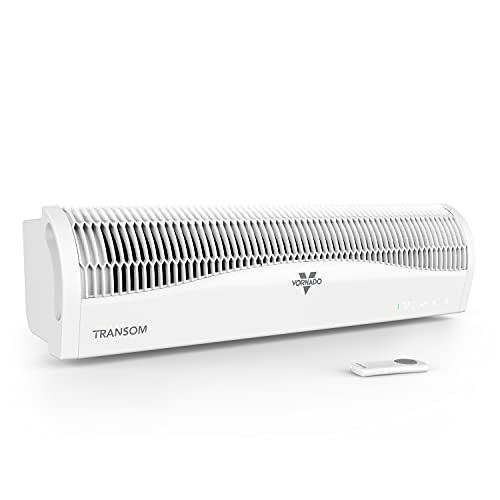
Best for: single- or double-hung windows that need flexible intake/exhaust with minimal installation. Features four speeds and a reversible exhaust mode, enabling easy swap from intake to exhaust depending on the season or ventilation needs. Why selected: compact, low-profile design with a secure seal system makes it a practical choice for homes where window space is limited and quick seasonal changes are desired. Caution: not designed for windows with irregular openings or nonstandard frames.
AC Infinity AIRTITAN T8

Best for: exhaust-focused basement ventilation needing dynamic control. The AIRTITAN T8 offers robust exhaust airflow and programmable temperature/humidity settings with timers and minimum speed. It’s designed to expel stale air and odors, helping to keep basements drier and more comfortable. Why selected: strong emphasis on moisture management and odor control, with programmable options for tailored ventilation. Caution: higher airflow can require ducting adjustments to avoid pulling air from living spaces.
Crawl Space Power Vent – Advantage Vent

Best for: replacing standard crawl vents with a sealed, automatic unit that also self-seals when closed. This 160 CFM dual-exhaust fan is designed for 16″ x 8″ foundation openings, aiding moisture removal and odor control as the sash opens. Why selected: straightforward retrofit for existing crawl openings with a seal-in-place design ideal for seasonal use. Caution: installation is oriented to standard openings; verify fit for unique openings or nonstandard frames.
Buying Guide
What to consider when choosing basement ventilation
Airflow needs depend on space size, moisture levels, and whether the space is connected to living areas. Look for CFM ratings that meet or exceed the room’s volume requirements and consider units with humidity or temperature controls for dynamic basements.
Humidity and temperature control features
Humidistats and dehumidistats help maintain stable moisture levels, while smart controllers or app integration can simplify ongoing management. For crawl spaces, freeze protection is a useful safeguard in cold climates.
Installation and compatibility
Check whether your space uses a window, ducted vent, or crawl opening. Some units are designed to retrofit existing crawls or window openings easily, while others require additional ducting or mounting hardware. Ensure power requirements align with your space’s electrical setup.
Maintenance and durability
Choose units with sealed housings and corrosion-resistant components for basements and crawlspaces. Regular inspection of seals, fans, and moisture sensors helps maintain performance over time.
Operating noise and comfort
Consider decibel levels if the space is near living areas. Higher CFM fans may move air more quickly but can be louder; look for models that balance airflow with acceptable noise levels for the space.
Frequently Asked Questions
- What is a good CFM for a basement? A typical basement under 1,000 square feet benefits from 200–400 CFM, adjusted for room height and layout. For crawlspaces, 150–250 CFM often suffices depending on opening size and humidity.
- Is a window fan enough for basement ventilation? A window fan can help with cross-ventilation, but basements and crawlspaces often benefit from dedicated exhaust or intake fans with humidity control for consistent air quality.
- Do humidity controls improve air quality? Yes. Humidity control reduces condensation, mold risk, and mustiness, improving overall air quality and protecting building materials.
- Should I choose exhaust or intake for a basement? Exhaust helps remove stale air and odors; intake brings in fresh air. A balanced setup or programmable systems that alternate modes can optimize air changes without drawing in damp outdoor air.
- Can these units be installed by a homeowner? Many are designed for DIY installation, but some configurations may require electrical work or ducting. Follow manufacturer guidelines and local codes.