When choosing a bed and chair alarm system, the goal is reliable alerts that protect loved ones without causing unnecessary distress. This guide highlights five top options that suit different caregiver needs—from discreet, under-mattress designs to easy, wireless pager alerts. Typical buyers include family caregivers seeking dignity-focused monitoring, facilities needing straightforward setup, and more cautious users who want minimal false alarms. The summary table below helps compare key points at a glance.
Product Snapshot
| Product | Type | Best For | Notes |
|---|---|---|---|
| Lunderg Wireless Bed & Chair Alarm Set (Early Alert) | Wireless Under Mattress+Chair Pads | Dementia care, dignity-first monitoring | Early hip-level alert to preempt standing |
| Smart Caregiver Bed & Chair Exit Alarm System | Bed & Chair Monitor | Immediate bedside alerts | Simple controls, clear status lights |
| Floryexn Bed Alarm & Chair Set | Bed & Chair Pads | Multi-location coverage | Adjustable up to 90dB |
| Lunderg Wireless Bed & Chair Alarm Set (Standard) | Wireless Pads & Pager | Discreet alerts, easy setup | No in-room alarm to frighten |
| Smart Caregiver Bed Alarm & Chair Sensor Pad | Bed & Chair Pads | Flexible caregiver alerts | 1-year warranty noted in features |
Lunderg Wireless Early-Alert Bed & Chair Alarm Set

The Lunderg Early-Alert system uses a pair of wireless sensors that connect to a single handheld pager, avoiding any in-room alarm that could frighten a cared-for person. It emphasizes dignity by sending alerts to the caregiver’s pager rather than sounding at the bedside. Best for: caregivers who prioritize discreet monitoring and preemptive alerts when a patient may try to rise. Limitation: relies on a handheld pager, so distance and battery timing can influence coverage.
Smart Caregiver Bed & Chair Exit Alarm System

This system provides immediate safety alerts as pressure is removed from bed or chair pads, with adjustable volume and a straightforward reset. It suits caregivers who want a visible, easy-to-manage monitor and clear status indicators. Best for: environments where quick response is essential and caregivers benefit from a simple reset process. Limitation: setup requires proper pad placement and a monitor that can be clipped to furniture for easy access.
Floryexn Bed Alarm & Chair Alarm Set
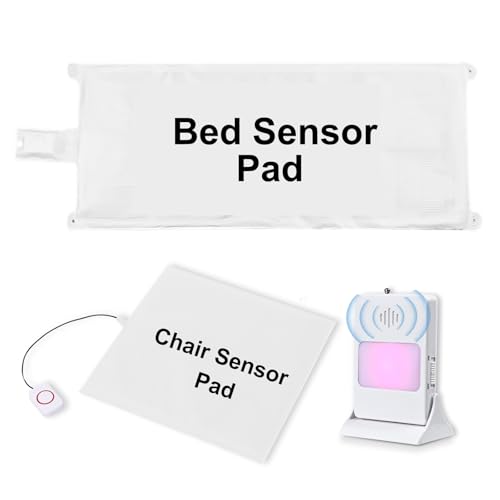
The Floryexn system emphasizes enhanced fall prevention with 24/7 monitoring via bed and chair pads and customizable alert volume up to 90dB. It is well-suited for caregivers who need flexible coverage across rooms and who want the option to escalate alerts in noisy environments. Limitation: may produce louder alerts that could disturb others nearby.
Lunderg Under Mattress Alarm With Early Alert

This version uses an under-mattress sensor pad paired with a chair pad, delivering undetectable monitoring that can be crucial for patients who resist visible devices. Best for: patients who refuse wearable or visible pads yet require proactive alerts. Limitation: bed pad compatibility is noted for mattresses 13″ or less, which may affect older beds.
Secure Safety Solutions Bed & Chair Exit Alarm
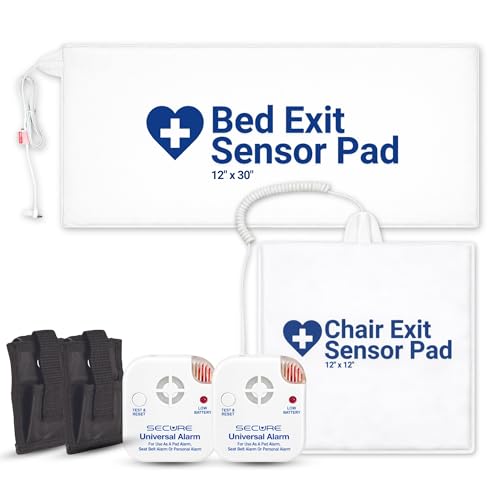
The Secure Safety Solutions system emphasizes immediate bed and chair exit alerts with durable, latex-free sensor pads. It is positioned for environments needing robust, long-lasting monitoring across care settings. Best for: professional care facilities and family homes that require reliable, durable components. Limitation: may be less discreet than under-m mattress options and could be more noticeable to the user.
Buying Guide
- Monitoring approach: Choose between under-mattress/pad systems for discreet monitoring and visible pads for immediate reassurance to the user. Under-mattress models reduce user resistance and false alarms in some cases.
- Alert method: Wired monitors with a pager offer independence from Wi-Fi and apps, while in-room alarms are easier to hear in nearby rooms. Consider the caregiver’s typical living space and response workflow.
- Coverage area: If the patient frequently shifts between bed and chair, select a dual-pad system to ensure no gaps in coverage. Multi-location setups work well for larger rooms or shared spaces.
- False alarm reduction: Look for pads with proper placement guidance (hips vs. shoulders) and anti-slip features. False alarms are a common reason caregivers disable alarms, so reliable placement matters.
- Volume and audibility: Adjustable volume helps adapt to different home environments. Louder alerts may be necessary in busy households, but can disrupt others in the home.
- Maintenance: Check pad durability (water resistance, easy cleaning) and battery status indicators. A system with a long-lasting pad and clear indicators reduces upkeep time.
- User compatibility: Some products are designed for dementia care, while others are suitable for general fall prevention. Choose according to the resident’s needs and cognitive status.
FAQ
- What is a bed and chair alarm best used for? They alert caregivers when a person attempts to leave a bed or chair, enabling prompt assistance to prevent falls.
- Are wireless pager systems safer than in-room alarms? Wireless pagers reduce distress for some users by avoiding loud bedside sounds, but require reliable range and battery management.
- How do I place pads to minimize false alarms? Place around hips or under lower back for bed pads; align chair pads with the back of the chair. Ensure pads stay in place with anti-slip strips or fitted sheets.
- Can these systems be used in both homes and facilities? Yes, most models are designed for home care and professional environments, with adaptable mounting options for monitors and pads.
- Do these systems work if the person refuses wearing devices? Under-mattress or non-visible pads can be effective when the individual resists wearables, as there is no device to wear.
- What should I consider before buying? Consider coverage needs, ease of use, caregiver workflow, and whether discreet monitoring or audible alerts better suit the living space.