Answer: If you’re pouring concrete in cold or variable temperatures, an extreme concrete curing blanket helps maintain moisture and heat to reduce cracking and surface defects. The top picks here are heavy-duty, weather-resistant options suited for commercial sites and DIY projects alike. Best for severe winter conditions are models with robust insulation, fast thaw capabilities, and durable covers. This guide highlights five reliable blankets, showing who benefits most from each.
Buyer’s quick reference table
| Product | Brand | Best For | Key Benefit |
|---|---|---|---|
| Moose Supply Concrete Curing Blanket Cover, 12 x 24 | Moose Supply | Mid- to large-scale pours | Triple-layer insulation for consistent temps |
| Concrete Curing Blanket, 12×24 – 1/7 in Thick | Outraveler | All-weather protection | Durable weather resistance |
| Powerblanket EH0304 Insulated Blanket | Powerblanket | Rapid ground thaw | High watt density for fast thawing |
| Turtle Life Concrete Curing Blanket 6×25 | Turtle Life | Smaller or elongated pours | Waterproof, heavy-duty insulation |
| Powerblanket EH0310 Insulated Blanket | Powerblanket | Winter prep and curing | Consistent heat distribution |
Moose Supply Concrete Curing Blanket Cover

Best for: mid-size residential or light commercial pours where heat retention and moisture are critical. This blanket uses a triple-layer insulated design with an 8×8 cross-weave outer layer and a 3/16 inch foam core. It’s ideal for maintaining consistent concrete temperatures to minimize early-stage cracking.
Why selected: The dual-layer protection and tear- and UV-resistant PE-coated tarp support repeated use on outdoor jobsites, delivering dependable curing conditions in varied weather.
Caution: The blanket is thick and heavy; plan for safe handling and proper securing on windy days to prevent shifting during pour cycles.
Concrete Curing Blanket, 12×24 Feet

Best for: projects needing a robust, weather-resistant solution with broad surface coverage. It emphasizes insulation and moisture retention for stronger early curing.
What makes it fit: The blanket is described as a specialized curing fabric designed to cover freshly poured concrete and retain moisture, creating an optimal curing environment in outdoor conditions.
Limitation: Material specifics on thickness are not stated; verify insulation value for your climate needs.
Powerblanket EH0304 Insulated Blanket

Best for: fast groundwork thaw and reliable curing in cold climates. This model is designed for high watt density to thaw ground quickly ahead of pours, promoting stable foundations and stronger cures.
Why selected: It emphasizes effective concrete preparation and curing by maintaining heat distribution to prevent premature freezing and improve adhesion.
Limitation: It also functions for snow/ice removal; use with care to avoid overuse in non-construction tasks, which may impact setup times.
Turtle Life Concrete Curing Blanket 6×25

Best for: long, narrow pours or roadsides where a long blanket helps maintain uniform curing across extended surfaces. It features a 3.6mm thickness and water-resistant properties for winter work.
Why selected: The PE foam core provides solid insulation to minimize temperature fluctuations during curing, with ball bungee cords for secure tarp connections.
Limitation: R-value is modest (approximately 0.2); consider layering if you need higher insulation for severe cold.
Powerblanket EH0310 Insulated Blanket
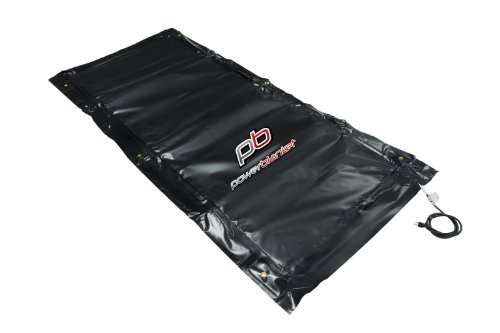
Best for: winter preparation on larger sites requiring consistent heat distribution across a bigger area. The EH0310 offers a 4’x11′ finished dimension and is designed for steady curing under cold conditions.
Why selected: It emphasizes effective concrete preparation and curing by maintaining an even temperature, helping achieve crack-free concrete even in extreme cold.
Limitation: Higher wattage requires appropriate electrical setup; ensure electrical capacity and safe wiring on-site.
Concrete Blanket 6′ x 25′ (MOCOLA)

Best for: smaller or budget-focused projects needing reliable moisture control and weather protection. This 6′ x 25′ option emphasizes waterproof protection and insulation for uniform curing.
Why selected: The heavy-duty construction and insulation design help promote optimal curing conditions with a straightforward setup.
Limitation: Fewer details on thickness may require confirmatory measurements for very cold environments.
Buying Guide
What should you consider when choosing a curing blanket?
- Climate and temperature range: Higher insulation and watt density suit colder climates; thin blankets may be enough in milder winters.
- Surface area: For large pours, choose longer blankets or multiple units to cover the entire slab efficiently.
- Durability and reuse: Look for PE-coated tarps and tear resistance for repeated job-site use.
- Ease of setup: Consider blankets with secure ties or bungees to resist wind shifts.
- Power requirements: Some models require 120V or higher, so verify electrical capacity and code compliance on site.
How to use curing blankets effectively?
- Place blankets directly over fresh concrete once it is set enough to protect from temperature fluctuations.
- Keep moisture levels stable by maintaining consistent covering, especially during overnight or multi-day pours.
- When possible, combine blankets with windbreaks and shelter to minimize heat loss.
Maintenance and safety tips
- Inspect blankets for tears and worn seams after each use; repair or retire as needed.
- Secure blankets to prevent wind uplift; use weights or anchors where permitted.
- Avoid using blankets on wet or hazardous surfaces without proper traction to prevent slips.
FAQs
- What is the main purpose of an extreme concrete curing blanket?
Answer: To maintain moisture and heat during curing, reducing cracks and surface defects. - Can curing blankets speed up concrete curing in winter?
Answer: Yes, by preserving heat and reducing the impact of cold ambient temperatures. - Should I use one blanket or multiple for a large slab?
Answer: For large slabs, use multiple blankets to cover the area evenly and minimize heat loss. - Are there safety considerations with heated curing blankets?
Answer: Ensure proper electrical setup, avoid contact with flammable materials, and follow manufacturer guidelines. - How do I know if a blanket is weather-resistant enough for outdoors?
Answer: Look for PE-coated, tear-resistant material with UV and moisture resistance for repeated outdoor use. - Can these blankets be used for snow and ice removal?
Answer: Some models are multipurpose, but their primary design is curing; use dedicated tools for ice removal if needed.