Choosing the right ceiling tile can impact acoustics, fire safety, and the ease of installation in any space. This guide focuses on fine fissured ceiling tiles that balance sound control with a clean, professional look. Below are five Armstrong and compatible options that emphasize easy installation, durability, and reliable performance in standard 15/16″ suspended grids. Each product section highlights key features to help compare textures, replacement ease, and overall value for various environments.
| Product | Brand | Texture/Notes | Grid Fit | Acoustics |
|---|---|---|---|---|
| Fine Fissured 1729A (12 pcs 2×4) | Armstrong | Fine fissured, non-directional | 15/16″ | Noise reduction |
| FISSURED 755 (12 pcs 2×4) | Armstrong | Fissured texture | 15/16″ | Moderate absorption |
| Random Textured 933 (10 pcs 2×4) | Armstrong | Random texture | 15/16″ | Sound containment |
| CORTEGA Second Look 2767 (10 pcs 2×4) | Armstrong | Second look, 2×2 appearance | 15/16″ | Replacement flexibility |
| 705A Fissured 2×2 (16 pcs) | Generic | Fissured white tile | 15/16″ | Affordable upgrade |
Note: All tiles listed install in standard 15/16″ ceiling grids without glue, nails, or staples, and many include fire-resistive Class A ratings where applicable. This comparison emphasizes tiles with fissured or similarly textured surfaces designed to minimize waste during installation and to help block or disperse sound between rooms.
Fine Fissured 1729A: Armstrong 12‑Piece 2×4 Suite

Armstrong’s Fine Fissured 1729A tile features a non-directional texture with a square edge cut, designed to minimize waste during installation. The 2×4 panels are suitable for suspended grids and are easy to replace in existing ceilings. They provide acoustic benefits by reducing noise transfer between rooms and include a durable, fire-resistive profile compliant with ASTM E84 Class A standards. Ideal for offices, hallways, and retail spaces seeking a clean, refined look with practical maintenance.
Fissured 755: Armstrong 12‑Piece White 2×4
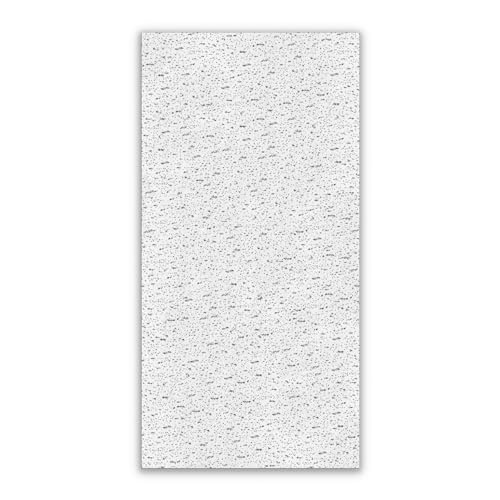
This 12-piece 2×4 Armstrong tile emphasizes easy replacement within a standard ceiling grid. The fissured texture offers a clean, uniform appearance while maintaining simple maintenance. It’s designed to fit a 15/16″ grid without glue, nails, or staples, supporting quick installation and less downtime during projects. Surface durability supports common commercial environments, and the tile texture helps conceal minor imperfections in the ceiling plane.
Random Textured 933: 2×4 Armstrong Panels

The Random Textured 933 option uses a non-directional texture with a square lay-in cut that minimizes waste during installation. While texture differs from a fine fissure, its acoustic performance helps reduce noise within enclosed spaces and slows sound transmission between rooms. It remains easy to replace in an existing grid, maintaining a straightforward upgrade path for aging ceilings or spaces with changing demands.
CorteGa Second Look 2767: 2×4 Ceilings with a 2×2 Look

The CORTEGA Second Look 2767 provides a practical alternative by offering a 2×2 visual impression within a 2×4 grid. It’s designed to be easy to replace in a standard ceiling grid and to minimize waste during installation. Acoustic performance supports modest sound control in multi-purpose spaces, and the tile is well-suited for storage areas, utility rooms, or basements where a semi-premium finish is desired without expanding installation complexity.
Generic 705A: 24″”x24″” Fissured White Tiles (16 Pack)

The Generic 705A set offers a cost-conscious option with fissured texture in a 2×2 footprint (shown here as a 24×24 inch tile). The 16-pack provides an efficient approach for bulk replacements or full-ceiling refreshes. These tiles fit standard suspended grids and support straightforward installation with reduced waste. They are suitable for basements, storage areas, and utility rooms where practical performance matters most.
Buying Guide: Key Purchase Considerations
- Texture and appearance: Fine fissured textures deliver a refined look and consistent shading, while random or second-look textures can disguise minor surface irregularities in large spaces.
- Acoustics: Consider the level of sound control needed. Tiles with fissured textures often provide noticeable noise reduction, especially when paired with proper ceiling grids and insulation behind the tiles.
- Installation compatibility: Ensure the tiles are designed for standard 15/16″ suspended grids to avoid glue, nails, or stapling. Replacement ease is a practical benefit in busy projects.
- Fire safety: Look for ASTM E84 Class A ratings where applicable. This is critical for commercial spaces and safety compliance.
- Size and layout: Decide between 2×4 and 2×2 panels based on room dimensions, grid availability, and desired aesthetic. Bulk packs can lower per-tanel costs and simplify installation planning.
- Durability and maintenance: Choose tiles that resist sagging, moisture, and wear in the intended space. White finishes typically reflect more light and help brighten interiors, particularly in basements or utility rooms.
- Replacement ecosystem: A tile family with replaceable panels simplifies upgrades and repairs without significant grid disruption.
In summary, for spaces prioritizing fine fissured textures with straightforward installation, the Armstrong options listed above offer reliable performance, solid acoustics, and compliance with common ceiling grid standards. When choosing between fissured versus textured or “second look” styles, weigh the balance between appearance, sound control, and replacement ease to match the specific room use and maintenance expectations.