Looking for a freestanding pellet stove that fits a fireplace setup? This guide highlights practical, EPA-certified options that maximize heat, minimize maintenance, and complement living spaces with an appealing stove design. Each product below is evaluated for suitability in a fireplace-style installation, focusing on room size compatibility, hopper capacity, and ease of operation. The selections aim to help buyers choose the best fit for medium to large rooms, stylish bay-front viewing, or modern smart-home integration. See the quick summary table to compare core specs at a glance.
| Product | Brand | Heats Up To (sq ft) | Hopper Capacity | Notes |
|---|---|---|---|---|
| Comfortbilt HP22 | Comfortbilt | 2,800 | 55 lb | Bay design, powerful blower |
| US Stove GW1949 Wiseway | US Stove | 2,000 | Not specified | Non-electric, gravity feed |
| Comfortbilt HP22-N | Comfortbilt | 2,800 | 80 lb | Smart controller |
| Cleveland Iron Works Bayfront | Cleveland Iron Works | 1,800–2,500 | 66 lb | WiFi enabled |
| Castle Serenity 41278 | Castle Pellet Stoves | ~1,500 | 40 lb | Manual, Eco modes |
Note: The products listed are selected for freestanding pellet stove performance compatible with fireplace-style installations, based on heating capacity, hopper size, and ease of integration into living spaces. Each option provides different advantages, from modern smart features to traditional, reliable warmth. Consider room size, desired runtime between reloads, and whether you prioritize smart control or a classic aesthetic when choosing.
Comfortbilt HP22: Big Room Heat And Bay-Style View
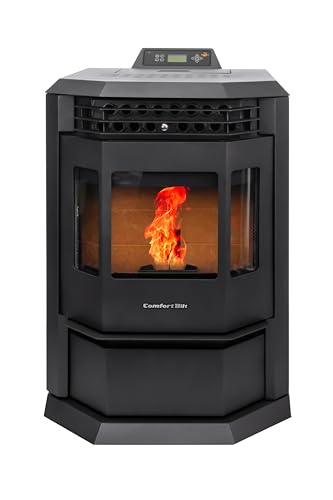
The Comfortbilt HP22 is designed to heat up to 2,800 square feet, making it well-suited for larger living spaces or open-plan interiors adjacent to a fireplace setup. It features a 55-pound hopper for moderate burn times and a large viewing area with a bay design in carbon black for an appealing focal point. A robust blower assists heat distribution and quick warmth. Important consideration: this model is not ventless and requires proper venting for safe operation.
Best for: homes needing substantial heat in medium-to-large rooms and a bold, bay-window aesthetic. Why selected: strong heating capacity, clear flame view, and a proven blower system support steady warmth. Caution: ensure compatible chimney or venting paths to match installation requirements.
US Stove GW1949 Wiseway: Non-Electric, Low-Maintenance

The GW1949 Wiseway is a non-electric pellet stove using a gravity feed system, which reduces moving parts and maintenance. It can heat up to about 2,000 square feet and uses standard 3-inch pellet venting. This model is a practical choice for buyers seeking simplicity and fewer electrical dependencies. Note that the system may require careful alignment with venting and airflow to maximize efficiency.
Best for: buyers who prefer fewer electronics and straightforward operation. Why selected: minimal moving parts and maintenance with reliable heat delivery. Caution: not ideal for very large spaces or modern smart-home setups where remote control is desired.
Comfortbilt HP22-N: Smart Control And High Capacity

The HP22-N adds a smart controller and an 80-pound hopper, delivering heat up to 2,800 square feet. This model prioritizes larger fuel capacity and more precise control over burn cycles, making it a good choice for homeowners who want longer runtimes and enhanced thermostat-style operation. It still requires ventilation and is not ventless, as with other pellet stoves.
Best for: households wanting extended burn times and smarter operation without sacrificing space-heating efficiency. Why selected: large hopper reduces reloads and smart controls improve daily comfort. Caution: the higher hopper weight may impact installation placement and handling during refills.
Cleveland Iron Works Bayfront: WiFi-Enabled Comfort
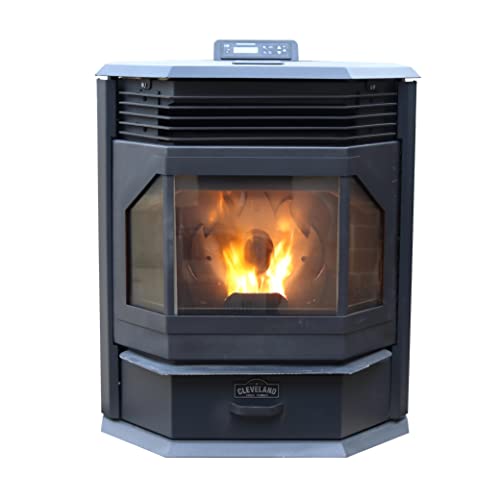
The Bayfront model from Cleveland Iron Works offers heat output suitable for spaces around 1,800 to 2,500 square feet and a 66-pound hopper. Built-in WiFi enables smart-home integration for remote monitoring and control, adding convenience to routine use in a fireplace-like setup. This option blends classic pellet heat with modern connectivity. Limitation: WiFi features depend on compatible home networks and may require setup steps.
Best for: homes seeking smart features and reliable mid-to-large room warmth. Why selected: robust capacity and convenient WiFi control. Caution: ensure stable network access for consistent remote use.
Castle Serenity 41278: Easy Clean And Eco Modes
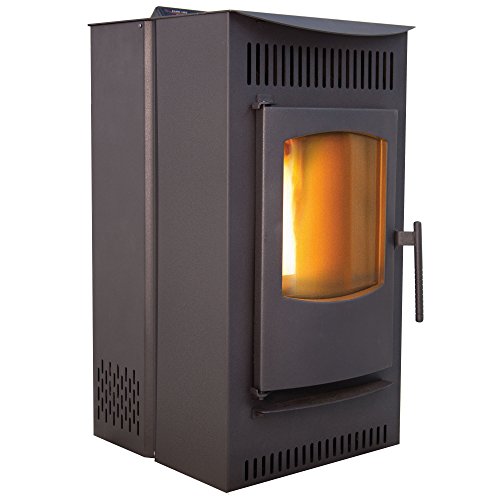
The Castle Serenity 41278 provides around 1,500 square feet of heating capability with a 40-pound hopper and an easy-clean design. It includes multiple operating modes—manual, thermostat, weekly, and Eco—allowing users to tailor heating patterns to daily routines and energy use. This model suits smaller living areas or bedrooms adjacent to a larger living space and is designed for simple, scheduled warmth. Limitation: lower heat output compared to larger models.
Buying Guide: Freestanding Pellet Stoves For Fireplace Installations
- Room size and heat output: Match stove BTUs to the target space. Larger rooms benefit from stoves rated around 2,500–3,000 sq ft, while smaller spaces may only need 1,500–2,000 sq ft.
- Ventilation and venting requirements: Most pellet stoves require proper venting and are not ventless. Ensure existing chimney or vent pathways can accommodate the chosen model’s exhaust.
- Hopper capacity and burn time: Bigger hoppers reduce reload frequency but increase weight and footprint. Consider daily usage and preferred refill intervals when choosing 55–80 lb options versus smaller ones.
- Smart controls and connectivity: WiFi-enabled models offer remote monitoring and scheduling, beneficial for busy households or energy-conscious users.
- Design and viewing area: Bay-window viewing stoves provide a prominent flame view, adding focal interest to a fireplace-like space. Traditional silhouettes suit more classic interiors.
- Ease of maintenance: Look for easy-clean designs and fewer exposed tubes or crevices. This can simplify routine cleaning and reduce downtime.
- Installation considerations: Some models require professional installation, clearances, and appropriate clearances from combustibles. Verify local codes and permits if necessary.
- Reliability and fuel availability: Standardized pellet brands and consistent pellet quality affect performance. Choose a model with proven reliability and easy access to pellets in your area.
Frequently Asked Questions
- What is the main advantage of a freestanding pellet stove in a fireplace setup?
It provides enhanced heating efficiency while preserving the aesthetic appeal of a fireplace and enabling flexible placement within the room. - Do freestanding pellet stoves require electricity?
Most do rely on electricity for the blower and controls, though some non-electric models exist with gravity-fed systems. - Is venting required for pellet stoves?
Yes, venting is typically required to safely exhaust smoke and combustion byproducts; ventless configurations are uncommon and limited. - How do I choose the right hopper size?
Larger hoppers reduce reloads but require more space and heavier handling. Match hopper capacity to your daily burn duration and convenience preferences. - Are smart-control stoves worth it?
For frequent users, smart controls improve comfort and can save energy by aligning heat with daily schedules and occupancy. - Can a pellet stove be installed in front of a fireplace opening?
Yes, many freestanding units are designed to fit within or adjacent to a fireplace opening, but verify clearance requirements and venting paths first.