Moisture control is essential for preserving firearms, ammo, and related equipment. This guide highlights top heater and dehumidifier options designed for gun safes and small cabinets, helping to prevent rust, corrosion, and mildew. Each product section provides a concise summary of features, installation notes, and practical considerations to help you compare effectively.
| Product | Brand | Key Benefit | Coverage |
|---|---|---|---|
| MAXSafes 12″ Gun Safe Dehumidifier Rod | MAXSafes | Maintenance-free humidity control with plug-in operation | Up to ~100 cu ft |
| PEET SafeKeeping Dryer | PEET | Convection-based, silent drying without filters or fans | Up to 300 cu ft |
| MAXSafes 18″ Gun Safe Dehumidifier Rod | MAXSafes | Higher warmth for enhanced moisture removal | Up to ~100 cu ft |
| Hornady Rechargeable Dehumidifier 95900 | Hornady | Reusable desiccant with visible humidity indicator | Up to 333 cu ft |
| SafeNDry XL Gun Safe Dehumidifier | SafeNDry | Silica gel canister with visual color change for reuse | Up to ~60 cu ft |
These products span plug-in heater rods, portable dehumidifiers, and silica gel solutions. When selecting, consider space size, installation flexibility, power availability, and whether you prefer a reusable system or a simple disposable option. The following five products were chosen for wide applicability, safety features, and consumer relevance in American gun safes and enclosed storage.
MAXSafes 12-Inch Gun Safe Dehumidifier Rod
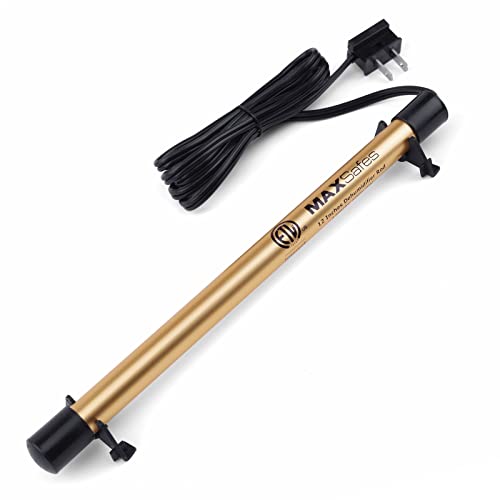
This maintenance-free electric dehumidifier rod is designed to manage humidity in gun safes, cabinets, and other small enclosures by raising the internal temperature slightly above ambient. It helps drive out excess moisture without ongoing maintenance, and the snap-on mounting brackets support flexible installation. A key convenience is its plug-in design, which avoids regular battery replacements. Note that it should not be touched after plugging in, reinforcing safe handling practices in small spaces.
Key considerations:
– Suitable for smaller safes and cabinets with up to approximately 100 cubic feet of space.
– Vertical or horizontal mounting options offer installation flexibility.
– Maintenance-free operation reduces long-term upkeep costs.
– Ensure the cord can be routed discreetly through openings or holes for a clean setup.
PEET SafeKeeping Dryer And Dehumidifier
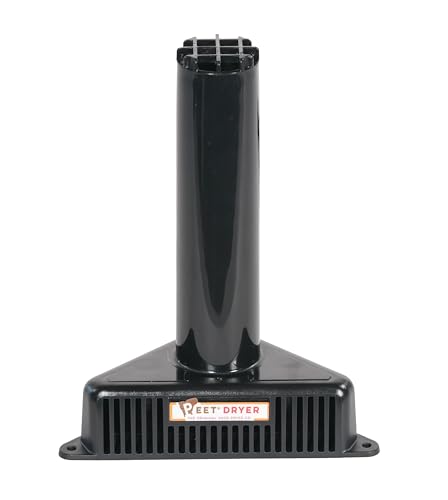
The PEET SafeKeeping Dryer uses convection to circulate warm air within gun safes and storage cabinets, eliminating moisture and reducing rust risks. It’s designed for quiet, unobtrusive operation with no filters to replace and no fans to maintain. Installation involves routing the power cord through a pre-drilled or self-drilled hole, then securing the unit. It’s marketed as easy to use—just plug in and operate, with instructions included for proper mounting.
Key considerations:
– Effective for enclosed spaces up to about 300 cubic feet.
– Silent operation and minimal ongoing maintenance.
– No filters to replace; lowers total cost of ownership.
– Easy installation that adapts to various safe designs, with provided mounting and cord routing guidance.
MAXSafes 18-Inch Gun Safe Dehumidifier Rod

This longer dehumidifier rod provides stronger moisture removal with a warmth-focused design. It’s described as capable of maintaining dryness in gun safes, closets, and other enclosed spaces, with a power output of 12 watts and a coverage radius around 100 cubic feet. As a reusable solution, it’s built to resist wear and provide reliable, long-term performance. Installation remains straightforward, with vertical or horizontal mounting supported by snap-on brackets.
Key considerations:
– Higher temperature approach can be more effective in damp environments.
– Reusable and low-maintenance compared to disposable products.
– Suitable for medium-sized safes and similar enclosures.
– Ensure proper clearance around the rod for heat dissipation and safety.
Hornady Rechargeable Dehumidifier 95900

Hornady’s rechargeable dehumidifier leverages silica gel desiccant to pull moisture from the air without requiring batteries or electrical power during operation. The unit is designed for reuse and includes a quick-connect bracket for easy mounting in gun safes and cabinets. It is listed to be effective in spaces up to 333 cubic feet and uses moisture-control crystals that visually indicate when humidity is being managed. It is a resin-based, compact solution suitable for readers who prefer a readily portable option with clear humidity indicators.
Key considerations:
– Reusable desiccant without electrical components.
– Visual humidity indicators help monitor effectiveness.
– No batteries or active power required during operation, but reactivation is needed when beads change color.
– Best for moderate to larger safe spaces up to roughly 333 cubic feet.
SafeNDry XL Gun Safe Dehumidifier

SafeNDry XL offers a portable moisture absorber using a 450-gram silica gel desiccant pouch housed in a plastic container designed for good airflow. The package targets spaces up to 60 cubic feet, making it a compact choice for small safes or specific storage areas such as ammo boxes or document cabinets. The silica beads change color to indicate when reactivation is needed, and the design is spill-proof with no liquids involved. This solution emphasizes reusability and cost efficiency for tight spaces.
Key considerations:
– Simple, compact form factor suitable for smaller safes.
– Reusable silica gel with color-change indicator.
– Can be reactivated in an oven; reduces ongoing replacement costs.
– Spill-proof design helps prevent leaks and mess in tight interiors.
Buying Guide: Key Purchase Considerations And Comparisons
Choosing the right heater or dehumidifier for a gun safe depends on space size, desired maintenance level, and operating comfort. Here are practical factors to weigh when comparing options:
- Space and coverage: Measure the interior volume of your safe or cabinet. Dehumidifier rods typically target smaller spaces (roughly 60–100 cu ft for compact rods) while devices like the Hornady 95900 claim effectiveness up to about 333 cu ft. For larger safes, consider combining solutions or selecting a higher-capacity product.
- Power source and installation: Plug-in rods offer easy setup and no ongoing maintenance, but you’ll need accessible outlets and route cords cleanly. If cords are awkward to manage, a unit with flexible mounting and cord routing helps keep the interior neat.
- Reusability and maintenance: Reusable silica gel or desiccant units reduce ongoing costs but require periodic reactivation in an oven. Maintenance-free electric rods avoid replacements entirely but still require installation considerations.
- Heat vs. moisture approach: Heaters gently raise internal temperature to drive out humidity, which can be effective in damp environments but should be used with care to avoid overheating. Desiccants physically absorb moisture and are safer for longer-term storage, especially in climates with variable humidity.
- Safety and installation: Ensure devices do not obstruct safe components or firearms. Follow manufacturer mounting instructions and avoid placing devices where heat could directly contact sensitive items or triggers.
- Cost of ownership: Consider initial price, replacement desiccant costs, and any electricity costs for plug-in heaters. Reusable desiccants may save money over time, while plug-in rods have low upkeep but require space for cords.
- Maintenance access: Some solutions are easier to inspect, replace, or reactivate than others. If you share your safe with kids or pets, select models with safety features and minimal exposure to hot surfaces.
In practice, a balanced setup may use a plug-in dehumidifier rod for ongoing moisture management in smaller safes, complemented by a reusable desiccant unit for ongoing humidity indication and reactivation as needed. For larger safes, combining a higher-capacity rod with a desiccant-based device can offer robust protection without frequent maintenance. Always follow the manufacturer’s safety guidelines and ensure proper ventilation where applicable.