Choosing the right moisture barrier underlayment is essential for long-lasting laminate installations. This guide highlights five top options, who they’re best for, and practical trade-offs. It’s ideal for homeowners, DIY remodelers, and pros seeking reliable vapor protection without complexity.
Summary of chosen products
| Product | Brand | Approx. Coverage | Best For |
|---|---|---|---|
| MOISTURE BARRICADE UNDERLAYMENT FILM – 6 mil | ROBERTS | 120 sq ft | Harder subfloors, vinyl or laminate with strong moisture needs |
| Moisture/Vapor Barrier Underlayment (.006 Mil) – 100 sq ft | MP Global Products | 100 sq ft | Simple, thin barrier for standard laminates |
| 3in1 Vapor Barrier Underlayment with Tape – 500 sq ft | Be$t Laminate | 500 sq ft bundle | DIY projects needing quick tape-ready overlap |
| PolyFoam Multipurpose Foam Underlayment – 100 sq ft | MP Global Products | 100 sq ft | Soft, forgiving surface for uneven subfloors |
| FLOORLOT GoldMax Premium Underlayment – 200 sq ft | Floorlot | 200 sq ft | Solid moisture barrier with durable waterproofing |
ROBERTS 70-115 Moisture Barricade Underlayment

- For use as a vapor barrier with vinyl, laminate, SPC, and engineered wood floors.
- Durable 6 mil thickness exceeds NWFA requirements for added protection.
- Roll unfolds to a 10 ft by 12 ft area, offering straightforward installation.
Best for: Projects with higher moisture exposure or where thicker barrier is preferred. Choose this if you want a robust, dedicated moisture shield without worrying about tape seams.
Limitation: Bulkier than thinner films; may require precise alignment on tight layouts.
Moisture/Vapor Barrier Underlayment (.006 Mil) – 100 Sq Ft

- Thin, self-contained film barrier for laminate and engineered wood.
- Features self-sealing tape to simplify installation across seams.
- Ideal for standard installations where space and ease matter.
Best for: Quick, clean barrier installs on typical subfloors. Better for smaller rooms or renovation projects where speed matters.
Limitation: May provide less cushioning than foam underlay options.
3in1 Vapor Barrier Underlayment – Be$t Laminate

- 3in1 underlayment with overlap and pre-attached tape strip.
- 2mm thick, designed for both wood and cement subfloors.
- Integrated vapor barrier and overlap features reduce installation time.
Best for: Projects needing a ready-to-tape solution with strong moisture protection and easier seams. Choose this if you want a bundled, fast setup for larger areas.
Limitation: Slightly thicker than ultra-thin films; may affect very tight tolerance layouts.
PolyFoam Multipurpose Foam Underlayment
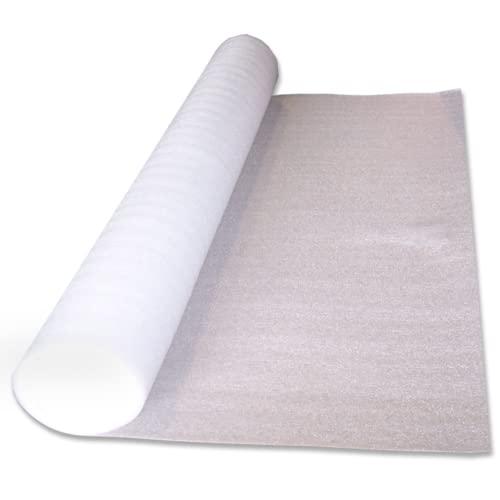
- Multipurpose foam underlayment designed for laminate and engineered wood.
- Moisture-resistant barrier helps block moisture from concrete or wood subfloors.
- Roll size: 100 sq ft (30 ft x 3 ft 4 in.).
Best for: Uneven subfloors or installations needing cushioning to reduce sound and imperfections. Best for comfort-seeking projects that still require moisture protection.
Limitation: Foam composition may be less rigid in extreme environments; ensure compatibility with subfloor type.
FLOORLOT GoldMax Premium Underlayment

- 200 sq ft roll with 3mm thickness for durable cushioning.
- Built-in moisture barrier protects against subfloor moisture migration.
- Suitable for laminate, engineered wood, and solid hardwood floor systems.
Best for: Higher-demand installations where a thicker, robust underlayment is beneficial. Choose this if you need a balance of thin profile and strong moisture protection.
Limitation: Thicker options can slightly alter room height considerations in tight spaces.
Buying Guide: Key Considerations for Moisture Barrier Underlayments
- Moisture level and subfloor type: Concrete vs. wood subfloors demand different barrier thicknesses and materials. Thicker films handle higher moisture risk, while thin films suit standard installations.
- Thickness and cushioning: Foam underlayments provide more comfort and sound-damping but can be less rigid. Thin films prioritize moisture control and cost.
- Seam installation: Self-sealing tapes or pre-attached tapes speed up the process and reduce gaps that moisture could exploit.
- Subfloor irregularities: For uneven subfloors, foam underlayments can bridge minor imperfections; rigid film may require additional leveling.
- Project size and layout: Large areas benefit from bundles with pre-attached overlap or tape to minimize seam work and time.
- Durability and environment: Consider environments with temperature swings or high humidity. Some foams resist compression better over time.
Frequently Asked Questions
- What is the main purpose of a moisture barrier underlayment? A moisture barrier underlayment prevents moisture from subfloors from reaching laminate or engineered wood, reducing warping and damage.
- How thick should an underlayment be for laminate floors? Typical range runs from 0.006 mil barrier films to 3mm foam, with thicker options offering more cushioning and moisture resistance in high-risk areas.
- Do I need tape with the underlayment? Tape helps seal seams and may speed up installation. Self-sealing or pre-attached tape options are convenient for DIY projects.
- Can I use underlayment over existing underlayment? In most cases, it’s best to remove old underlayment or consult the installer guidelines, as layering can affect performance and warranty.
- Which product is best for a DIY laminate project? For quick installs with straightforward seams, Be$t Laminate’s 3in1 option or MP Global’s thin barrier films are good starting points, depending on room size and moisture risk.
- Is foam underlayment better than film for moisture protection? Film tends to provide stronger moisture barriers in highly damp environments, while foam adds cushioning and noise reduction for comfort.