Answering the common buyer question, these multi point locking mechanisms provide enhanced security for sliding patio doors and are designed for easy replacement and installation. This guide highlights five strong options, clarifying who each is best for and why. Typical buyers include homeowners seeking improved anti-entry protection, renters replacing worn hardware, and DIY enthusiasts optimizing door security without professional installation. A quick summary table below helps compare key points at a glance.
| Product | Central Locking Type | Center-to-Center | Best For |
|---|---|---|---|
| Multi-Point Mortise Lock Replacement with 11-3/4″ Face Plate | Two-Point | 11″ | Best for sliding doors needing anti-slam feature |
| Two Point 9-15/16″ Mortise Lock (No FacePlate) | Two-Point | 9-15/16″ | Best for compact installations and quick upgrades |
| 11-3/4″ Multi-Point Mortise Lock with Face Plate | Two-Point | 11″ | Best for 11″ centers and anti-slam action |
| Alloy Steel Dual Point 9-15/16″ Mortise Lock with 10-1/8″ Faceplate | Two-Point | 9-15/16″ | Best for durable, standard 10″ faceplate installs |
| Easy Fix Hardware Keeper Replacement for Dual Point Mortise Lock | Keeper (not a full lock) | — | Best as a budget-friendly keeper upgrade |
Multi-Point Mortise Lock Replacement with 11-3/4″ Face Plate

The AmesburyTruth multi-point mortise lock features a 11-3/4″ face plate and a two-point locking system for enhanced security. The actuator is centered or offset 3/4″. An anti-slam button helps protect the double lock hooks when the door closes suddenly. Best for door owners seeking stronger security with an anti-slam function and a robust alloy steel construction. The screws required for installation are sold separately, and installation holes measure 11″ on centers. Caution: ensure compatibility with existing door frame and strike plate before purchasing.
Who it’s best for: Homeowners with sliding patio doors needing stronger two-point locking and anti-slam protection, especially where the door experiences frequent use or slam risks.
Two Point 9-15/16″ Mortise Lock (No FacePlate)
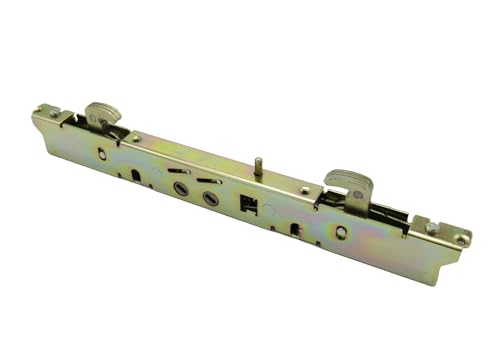
This mortise lock provides a two-point locking system with installation holes at 9-15/16″ centers. It emphasizes enhanced security against forced entry and includes an anti-slam button that prevents damage to double lock hooks if extended during closure. The absence of a face plate allows customization during replacement. Best for DIYers replacing an old mechanism in smaller frame openings and for those who want straightforward two-point security without a face plate.
Who it’s best for: DIY homeowners updating narrower frames or those who prefer to install a compatible face plate separately.
11-3/4″ Multi-Point Mortise Lock with Face Plate and Keeper
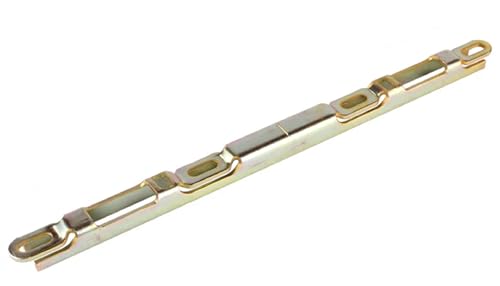
Equipped with a two-point keeper for mortise locks used on patio doors, this option emphasizes enhanced security with an anti-slam button. The system is designed for 11″ center installation, with the actuator available in centered or offset configurations. It’s a strong choice for doors requiring a robust keeper along with the main lock, providing peace of mind against forced entry. Best for doors that need both a reliable mortise lock and compatible keeper hardware. Caution: verify keeper compatibility with existing lock body.
Alloy Steel Dual Point 9-15/16″ Mortise Lock with 10-1/8″ Faceplate

This alloy steel dual-point mortise lock uses a 9-15/16″ center-to-center spacing and a 10-1/8″ faceplate. It emphasizes a two-point locking system for enhanced security and includes an anti-slam button to reduce potential damage when the door closes with hooks extended. Best for standard door openings where durability and reliable performance are priorities. Caution: ensure the replacement kit matches the existing door’s strike plate and frame geometry.
Buying Guide: Key Considerations for Choosing a Multi Point Locking System
- Door compatibility: Confirm center-to-center measurements (commonly 9-15/16″ or 11″) and faceplate size to ensure correct fit.
- Locking points: Two-point systems provide better security than single-point; decide if you need a keeper to accompany the lock for added protection.
- Anti-slam functionality: An anti-slam button protects lock hooks from damage during inadvertent or forceful closure.
- Material quality: Alloy steel and other tough metals offer durability against daily use and weather exposure.
- Installation complexity: Some units require separate face plates or keepers; verify screw placement and hole alignment before purchasing.
- Keeper compatibility: If selecting a keeper, ensure it works with the corresponding mortise lock and your door type.
- Aesthetics and finish: If visible, choose finishes that match existing hardware to maintain curb appeal.
Frequently Asked Questions
- What is a two-point locking system? It locks at two points along the door edge, increasing resistance to forced entry compared to a single-point lock.
- Do I need a face plate with a mortise lock? Some models include a face plate; others require you to purchase one separately. Check your door’s existing hardware and compatibility.
- What should I consider when choosing center-to-center measurement? It must match your door’s drilled holes to ensure proper alignment and operation.
- Is anti-slam technology necessary? It helps reduce wear on lock hooks and can extend the life of the locking mechanism in doors that close with some speed.
- Can I replace a mortise lock myself? Many of these units are designed for DIY installation, but verify tool requirements and whether a professional installation is recommended for your door model.
- What about keepers—do I need one with my mortise lock? A keeper can improve security by providing a stable point for the latch and hooks, but compatibility with the lock is essential.