Best Old Time Wringer Washer Options for Hand-Wash Enthusiasts and Off-Grid Laundry
Answering the question for shoppers seeking authentic wringer-style laundry, this guide highlights durable, low-energy wringers that work with hand washing or off-grid setups. These wringers are best for small loads, delicate fabrics, and travelers who want moisture removal without electricity. The top picks below are suited for campers, tiny homes, cabins, and rural homesteads. Read on to compare features, best use cases, and practical buying tips.
The Gray Northwood Calliger wringer is built around a robust all-steel frame and roller shafts. It is designed for attachment to vertical or horizontal surfaces, allowing use on tables, sawhorses, or basins. This model emphasizes durability and straightforward manual operation for those who want a reliable moisture extraction method without electricity. Best for campers, cabin owners, and anyone setting up a small, off-grid laundry routine where a sturdy wringer is needed.
Who it’s best for: individuals who need a fixed, rugged wringer that can clamp onto various surfaces and stand up to frequent use. Why selected: the versatile clamp system and steel construction provide predictable long-term performance. Caution: ensure you have a stable mounting surface to prevent wobble during high-tensity wringing.
Northwood Calliger Red Wringer – Portable, Heavy‑Duty
The Red Calliger wringer mirrors the Gray model’s heavy-duty steel frame and clamping versatility, but with a distinct, eye-catching finish. Its features emphasize efficient moisture removal for hand-washed fabrics, including delicate garments. It suits off-grid laundry rigs where space is at a premium but reliability remains crucial. Best for small households that frequently hand wash and need a portable, durable accessory.
Who it’s best for: apartment dwellers or campers seeking a reliable, compact wringer with strong clamps. Why selected: portability combined with robust construction offers practical off-grid performance. Caution: color may be less important than mounting options; confirm your setup supports the clamp orientation you prefer.
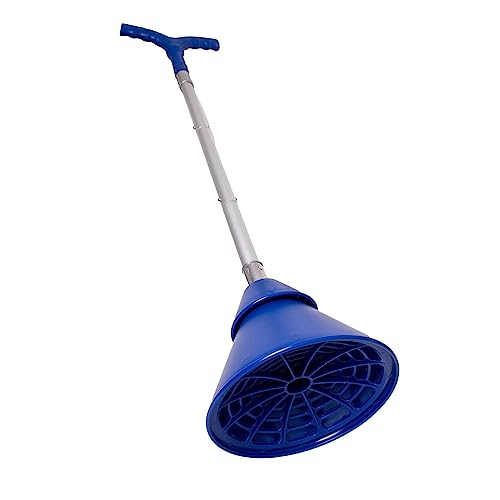
Lehman’s plunger-style washer offers a portable, economical way to agitate and wring without power. It’s described as a “breathing” washer due to the audible action that pushes and pulls soap and water through fabrics. This unit is well‑suited for campers, RV users, or students who need a compact, energy‑free solution for small loads and soft items. Best for: those prioritizing low cost and portability. Caution: not designed for large loads or heavy fabrics; efficiency declines as load size increases.
The Yunir wringer emphasizes efficiency, claiming up to 95% of water removed. Its bidirectional handle and dual rails enable steady operation on either vertical or horizontal surfaces. It’s adaptable for towels, clothes, and mid-weight fabrics, making it a solid choice for off-grid setups. Best for: users who want strong water extraction with flexible mounting. Caution: performance may vary with very dense fabrics or oversized loads.
Dezitrek positions its wringer as an ultra-light, off-grid drying ally. It helps extract more water from washed clothing, facilitating faster air drying during camping or caravan trips. It’s designed to pair with a broader off-grid laundry workflow (wash, wring, dry). Best for: travelers seeking a light, easy-to-carry add-on. Caution: as an ultra-light unit, it may have less bulk‑tolerant stability than full‑size frames under heavy loads.
The OUNONA washboard is a classic hand-washing accessory, sized for practical use in sinks or buckets. It’s a simple, retro option for scrubbing clothes before wringing. Best for: purists who value a traditional method or want a dedicated tool for pre‑rinsing and stain removal. Caution: does not remove water itself; it relies on a separate wringer or spin method to finish moisture removal.
Buying Guide: Practical Considerations For Wringer Purchases
What’s the primary goal when selecting an old-time wringer? The answer hinges on moisture removal efficiency, load size, portability, and mounting flexibility. Start by listing where you’ll use the wringer: a fixed in‑home station, a camper’s setup, or an off-grid cabin. Consider the following questions:
How much water removal do you need per load? Look for stated percentages or descriptions that indicate “up to” a certain removal level.
Will you mount the wringer on a table, basin, or stand? Check clamp configurations and surface compatibility.
What fabrics will you wash? Delicate items require gentler movement and stable mounting to avoid snagging.
What is your typical load size? Some wringers handle only small loads efficiently; others tolerate more substantial items.
Is portability a priority? Ultra-light models favor travelers, while all-steel constructions favor fixed, long-term installations.
Practical tips for setup and use
Verify the mounting surface is stable and level to prevent slippage during wringing.
Use a mild detergent and pre-rinse to minimize required wringing time for heavily soiled items.
Pair wringers with a simple air-drying rack to speed up drying after wringing.
For delicate fabrics, reduce wringing speed and test with a small item first.
Comparative quick-reference
Best for versatility and mounting flexibility: Gray and Red Northwood Calliger wringers.
Better for compact travel: Lehman’s Plunger Washer and Dezitrek Ultra‑Light Wringer.
Best for maximum water extraction: Yunir Wringer.
Best for traditional hand-scrub prep: OUNONA Washboard.
Frequently asked questions
What is an old-time wringer washer? A manual device that removes water from washed clothes by squeezing them between rollers, without electricity.
Can wringers be used with any bucket or basin? Most models are designed to attach to surfaces or sit on a stable base; check mounting options first.
Are wringers suitable for delicate fabrics? Yes, but choose models with smooth rollers and avoid high-pressure wringing on delicate materials.
Do wringers replace a clothesline or dryer? They speed up moisture removal, but air drying or line drying may still be needed for complete dryness.
Which is best for off-grid use? The Gray or Red Northwood Calliger wringers are designed for versatile mounting and rugged performance off the grid.
What load size is typical for wringers? Most wringers perform best with small to medium loads; very large loads may reduce efficiency.
Summary: For off-grid and small-space laundry, a sturdy wringer with versatile mounting is a strong choice. If you want maximum water removal, consider models that emphasize higher extraction efficiency. For travelers, ultra-light options offer portability without sacrificing essential function. Pairing a wringer with a simple drying plan speeds up laundry cycles in any setting.