Answering the search intent for buyers, this guide compares top plastic faux brick panel options that are lightweight, affordable, and easy to install. Ideal for renters, DIY enthusiasts, and homeowners looking to refresh walls without heavy construction. The top picks cover interior accents, exterior cladding, and practical edge cases like moisture exposure or partial room updates. The summary table below helps you compare core details at a glance.
| Product | Best For | Material | Install Type |
|---|---|---|---|
| EverStone Aged Brick Faux Panel | Interior accent walls; weekend projects | Polyurethane | Interlocking |
| 3D Faux Brick Panels — Stonewall Cladding | Indoor/outdoor cladding; large areas | Fiber Reinforced Polymer (FRP) | Floating/adhesive |
| COMSTICKC 3D Peel & Stick Panels | Small to medium wall upgrades | PVC | Peel & Stick |
| NOVECRAFTO 3D Wall Panels | DIY beginners; wall paneling | PVC | Adhesive |
| YU LI 3DH Peel & Stick Foam Panels (2 options) | Budget-friendly quick updates | PE foam | Adhesive |
EverStone Aged Brick Faux Brick Panel

Brand: Ekena Millwork. This lightweight polyurethane panel is designed for fast DIY installation, ideal for a weekend project. The panel is UV- and water-resistant, making it suitable for interior accents and exterior wall cladding. The tongue-and-groove interlocking design hides joints and creates a seamless brick-look finish. Best for: homeowners seeking a durable, low-maintenance brick look with simple installation. Caution: heavy moisture exposure or extreme temperature swings on exterior walls may require additional sealing or weatherproofing measures.
3D Faux Brick Panels — Stonewall Cladding
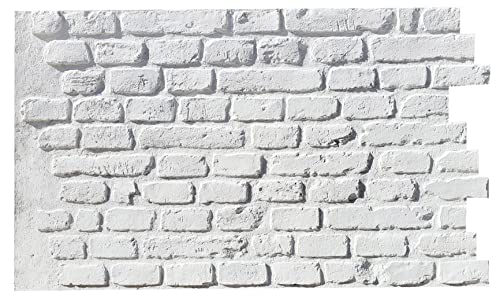
Brand: DryInsta. Made from FRP material, these panels mimic natural brick with a 3D texture and a sturdy, moisture-resistant build. They come in a 45×28 inch size per box (four panels cover about 30 square feet) and are suitable for both indoor and outdoor wall coverings. Best for: projects requiring a robust, weather-resistant brick finish with relatively quick installation. Caution: FRP panels can be stiffer and require careful measurement and cutting for irregular walls.
COMSTICKC 3D Peel and Stick Panels
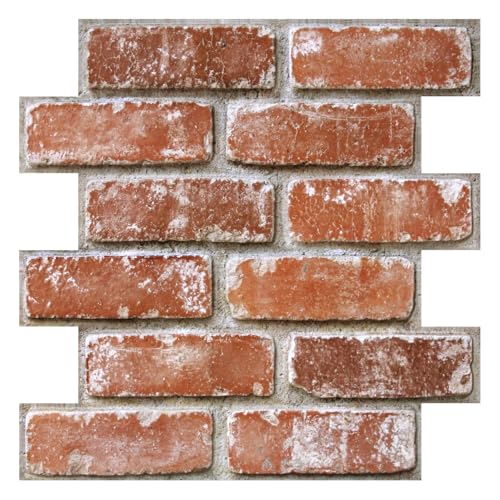
Brand: COMSTICKC. These 3D PVC panels feature a realistic brick texture with small bricks (about 5″ x 1.8″) and a lightweight, flexible profile. They’re designed for quick DIY wall upgrades and include a stronger adhesive backing for reliable indoor use. Best for: quick upgrades on smooth walls and decorative accents where a subtle brick depth is desired. Caution: not intended as permanent construction; avoid applying near heat sources or high-traffic fireplaces.
NOVECRAFTO 3D Faux Brick Wall Panels

Brand: NOVECRAFTO. Each panel measures about 37.8 by 18.9 inches and provides a deep red brick texture with a PVC body. It’s designed for effortless installation with PVC-friendly adhesive, allowing coverage of imperfections on walls. Best for: DIY beginners looking for a solid, realistic brick appearance with straightforward mounting. Caution: 1 mm PVC thickness may require careful alignment to maintain a seamless look on larger walls.
YU LI 3DH Peel & Stick Foam Panels (20 Pieces)

Brand: YU LI 3DH. These 20-piece panels are made from high-quality PE foam, are non-toxic, waterproof, and easy to clean. They feature a strong adhesive for straightforward DIY installation and offer a pronounced 3D effect for accent walls. Best for: budget-conscious decorators and renters seeking a lightweight, removable option. Caution: foam panels may be less durable in high-traffic areas or where heavy impact occurs.
YU LI 3DH Red Foam Brick Panels

Brand: YU LI 3DH. A red variant of the same 3D foam line, these panels deliver a bold brick look with easy self-adhesive installation. Best for: quick color-forward updates on living spaces or feature walls. Caution: similar to other foam options, durability varies with wall conditions and use.
Buying Guide
What to consider when choosing plastic faux brick panels:
- Material and durability: Polyurethane, FRP, PVC, or PE foam each offer different balances of weight, water resistance, and stiffness. Choose based on interior vs. exterior use and climate exposure.
- Installation method: Interlocking, adhesive, or peel-and-stick systems each affect prep time, tool needs, and wall condition requirements. Interlocking usually yields a seamless facade; peel-and-stick is fastest for rental-friendly projects.
- Finish realism: Look for 3D textures and authentic brick tones. Some panels have true 3D depth, while others rely on printed textures that read flatter from certain angles.
- Layout and coverage: Panel size and box coverage determine how many boxes you’ll need for your wall area. Larger panels reduce seams; smaller bricks can create a more traditional brick look.
- Maintenance and care: UV resistance, moisture tolerance, and cleaning requirements affect long-term upkeep. Exterior applications often require weatherproofing steps beyond the panel itself.
- Removability and compatibility: Some foam or foam-backed panels may be easier to remove for renters but may show wear in high-traffic areas. Check compatibility with existing finishes and wall substrates.
FAQ
Are plastic faux brick panels easy for a beginner to install?
Yes. Many options use lightweight materials and simple installation methods such as peel-and-stick or interlocking panels, making them suitable for first-time DIYers.
Do these panels work outdoors?
Some are designed for exterior use and provide moisture resistance, UV resistance, or weather durability. Always verify exterior suitability and proper installation guidance for outdoor placements.
Will panels completely hide uneven walls?
Many 3D panels can help conceal minor wall imperfections, but severe unevenness may require wall repairs or thicker, more robust panel systems.
Can I paint faux brick panels?
Several panels are paintable or designed to hold paint well, allowing customization of color to match decor. Check product notes for paint compatibility.
Is removal easy if I move?
Removability depends on the installation method and panel material. Peel-and-stick options are generally easier to remove, though some residual adhesive may remain.