When selecting a potable water pressure reducing valve (PRV), the goal is to find a unit that reliably lowers incoming pressure to protect pipes and fixtures while fitting your specific plumbing setup. This guide targets buyers seeking durable, code-compliant PRVs for residential or light commercial use. The top picks below are selected for compatibility with potable water systems, corrosion resistance, and straightforward adjustability. Each product is best for different applications, from compact apartment fittings to larger home or small business installs.
Summary table of selected products
| Product | ||
|---|---|---|
| Cash Acme EB45 1 Inch | Residential or light commercial, inline 1″ valve | Direct pressure adjustment screw access, tamper-resistant design |
| Watts LF25AUB-Z3 3/4 Inch | General purpose, commercial and residential | Wide pressure range, replaceable seat module |
| Zurn Wilkins 1-NR3XLDU 1″ NR3XL | Systems needing cartridge-loaded design and easy service | Double union FNPT connection, versatile tailpieces |
| Cash Acme EB45 3/4 Inch | Compact installations with 3/4″ piping | Tamper-resistant, direct access to adjustment |
| Sprmith 1″ NR3XL (1-NR3XLDU) | Residential or commercial with 1″ piping | Brass body, stainless steel screen, adjustable relief |
Cash Acme EB45 1 Inch Pressure Regulating Valve

- Brand: Cash Acme
- Type: Single union inline pressure regulator
- Connection: 1″ NPT Female x NPT Female
- Pressure range: 60 PSI
- Materials: Brass, stainless steel, durable metal components
The Cash Acme EB45 1 Inch is best for homeowners and small commercial spaces needing a compact, tamper-resistant PRV with straightforward access to the adjustment screw. It supports potable water use and aims to prevent accidental setting changes while keeping system pressure within safe limits. Choose this if you want reliable inline regulation with easy serviceability; avoid if you require larger or non-standard connections.
Watts LF25AUB-Z3 3/4 Inch PRV

- Brand: Watts
- Type: PRV with polymer seat
- Connection: 3/4″ NPT Female Union x NPT Female
- Pressure range: 25–75 psi, standard 50 psi
- Features: Lead-free alloy, stainless strainer, corrosion-resistant components
This model is best for versatile, mid-size installations in both commercial and residential settings. Its wide pressure range and durable materials suit areas where safeguarding plumbing against high-pressure surges is critical. It’s a solid pick when you want a balance of reliability and serviceability; consider potential size constraints in very tight spaces.
Zurn Wilkins 1-NR3XLDU 1″ NR3XL PRV

- Brand: Zurn
- Type: NR3XL pressure reducing valve
- Connection: 1″ FNPT
- Features: Cartridge-loaded design; easy replacement
- Application: Suitable for potable water piping of 1″ diameter
The Zurn NR3XLDU is best for systems that benefit from a cartridge-loaded, service-friendly design. The double union option simplifies maintenance without full disassembly. It’s a strong choice for both residential and light commercial uses where quick servicing matters; avoid if you need a compact, non-union model for tight spaces.
Cash Acme EB45 3/4 Inch Double Union PRV
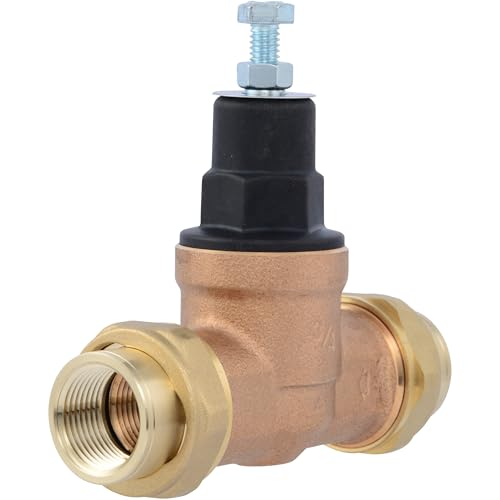
- Brand: Cash Acme
- Type: Double union inline pressure regulator
- Connection: 3/4″ NPT Female
- Pressure: 60 PSI
- Materials: Brass, stainless steel, polymer components
This 3/4″ model is ideal for tighter installations where a smaller PRV is required, while still offering the tamper-resistant feature and easy screw access. It’s best for apartment buildings or compact basements where space is limited; avoid if you need a larger 1″ line or a different union configuration.
Sprmith 1-NR3XLDU 1″ NR3XL PRV

- Brand: Sprmith
- Type: NR3XL adjustable PRV
- Connection: 1″ FNPT
- Material: Brass body with stainless steel screen
- Features: Adjustable pressure regulation with potential for low-water-waste gains
Sprmith’s 1″ NR3XLDU is best for larger residential systems or light commercial setups needing easy adjustability and a robust brass body. It provides a balance of serviceability and durability; avoid if you require non-union connections or ultra-compact footprints.
Buying Guide: Key Considerations for Potable Water PRVs
- Flow size and connection type: Ensure the valve matches your pipe diameter and union preference (single vs double union, FNPT vs copper sweat or CPVC tails).
- Pressure range and setting: Check available range and the manufacturer’s standard setting to know how much adjustment flexibility you’ll have.
- Material and compatibility: For potable water, look for NSF/ANSI 372 compliance and corrosion-resistant materials like brass and stainless steel.
- Tamper resistance: If you want to prevent accidental changes, consider a valve with tamper-resistant features or easy-access screws.
- Maintenance and serviceability: Cartridge-loaded designs or replaceable seats simplify ongoing maintenance without replacing the whole valve.
- Installation orientation: Some models support inline mounting, while others offer multiple tailpiece options for easier retrofits.
Frequently Asked Questions
- What does a pressure reducing valve do in a home plumbing system?
It lowers high incoming water pressure to a safer, uniform level to protect pipes and fixtures from stress.
- What is a tamper-resistant PRV, and why choose one?
A tamper-resistant PRV helps prevent unauthorized changes to pressure settings, maintaining stable system pressure.
- What PSI should residential water pressure be set to?
Standard residential settings commonly range around 45–60 psi, but the best setting depends on your system’s needs and local codes.
- Are PRVs suitable for potable water only?
Yes, most PRVs marketed for home use are designed for potable water, meeting safety standards for drinking water systems.
- How do I choose the right size PRV for my home?
Match the valve’s connection size to your pipe diameter (e.g., 1″ or 3/4″), and ensure the valve can handle your peak flow without excessive pressure droop.