Looking for an efficient pull-down wardrobe lift to reclaim high closet space and keep clothes within easy reach? This guide highlights five top options well-suited for American homes, from compact 26-35 inch models to wider 35-46 inch systems. Each product is explained with who it’s best for and why, plus a clear take on potential limitations. Ideal buyers include tall closet owners, busy households needing accessible storage, and organizers seeking durable, smooth-operating lifts.
| Product | Width Range | Load Capacity | ||
|---|---|---|---|---|
| XIIW Pull-Down Wardrobe Rod (35–46.5″) | 35–46.5 in | 60 lbs | Side & Back Mounted | |
| Ksdolip Pull-Down Closet Rod (35–48″) | 35–48 in | 60 lbs | Wall or Wardrobe mounting | |
| XIIW Pull-Down Wardrobe Rod (26–35″) | 26–35 in | 60 lbs | Side & Back Mounted | |
| XNKLMYT Pull-Down Wardrobe Rod (20.1–25.6″) | 20.1–25.6 in | 66 lbs | Side Mounted | |
| Rev-A-Shelf Pull-Down (35–48″) | 35–48 in | Noted robust capacity | Side Mounted |
Note: The table summarizes width and mounting types along with practical best-use notes. Exact products offer slight differences in dampers, material finishes, and installation options that can influence ease of use and longevity.
XIIW Pull-Down Wardrobe Rod, 35–46.5 Inches
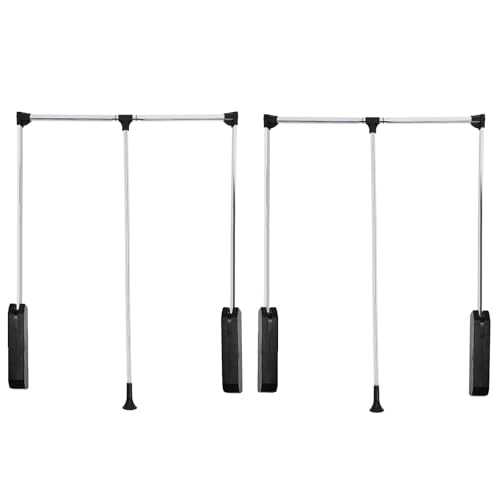
Best for wide, high-ceiling closets where a long pull-down reach is needed. The unit uses stainless steel construction for corrosion resistance and stability, with a chrome-plated surface for a premium look. The hydraulic buffer provides smooth lowering and a maximum load capacity of 60 lbs, meaning it can handle multiple garments without sagging. Width adjusts from 35 to 46.5 inches, and height sits around 33 inches, making it suitable for standard wardrobe depths.
- Who it’s for: Homeowners with tall, wide closets needing a single, long pull-down rod.
- Why selected: Strong load capacity and durable steel construction with a refined finish.
- One caution: Wider units may require more precise alignment during installation to ensure balanced operation.
Ksdolip Pull-Down Closet Rod, 35–48 Inches
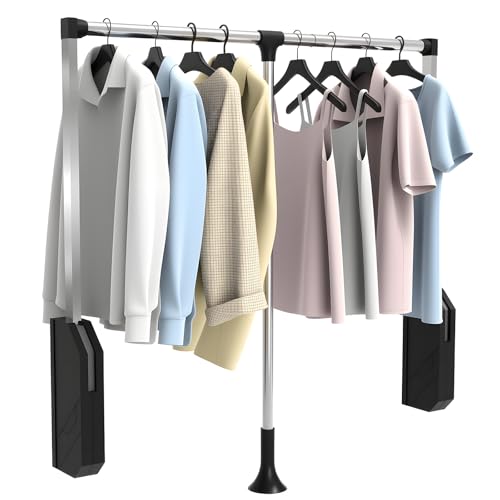
This model emphasizes versatile mounting options with included brackets for side or wall installation. It uses heavy-duty, rust-resistant stainless steel and supports up to 60 lbs. The hydraulic system enables effortless operation: push down to engage, then lift the lever to rebound. Dual mounting flexibility helps fit different closet configurations and avoids wall or cabinet constraints.
- Who it’s for: Walk-in closets with irregular depths or walls that require mounting adaptability.
- Why selected: Flexible installation and proven durability for frequent use.
- One caution: Proper screw selection is important for wall mounting to avoid loosening over time.
XIIW Pull Down Rod, 26–35 Inches

Best for mid-height reach in standard closets, this 26–35 inch unit keeps clothing accessible without occupying too much cabinet depth. It mirrors the stainless steel, chrome finish, and 60 lbs maximum load found in larger XIIW models. Height is about 33 inches, aligning with most standard wardrobe frames. The design prioritizes stable, balanced movement for uniform lowering and raising.
- Who it’s for: Small-to-medium closets where a compact, reliable lift is ideal.
- Why selected: Compact size with strong load capacity and consistent performance.
- One caution: Narrower units may limit the width of garments that hang on the rod.
XNKLMYT Aluminum Alloy Pull-Down Rod, 20.1–25.6″

Designed for smaller cabinets or pantry-like wardrobes, this model uses a robust aluminum alloy for a lighter yet durable construction, capable of about 66 lbs. It features a fully enclosed damped lifting mechanism and synchronized swing arms for balanced operation. The width range is 20.1 to 25.6 inches, making it a strong choice where space is tight.
- Who it’s for: Compact closets or vanities needing reliable lift within narrow openings.
- Why selected: High strength-to-weight ratio and precise, synchronized movement.
- One caution: Aluminum alloy, while strong, may scratch more easily than polished steel surfaces with heavy usage.
Buying Guide: Key Considerations For A Smart Choice
- What width do you need? Measure cabinet depth and opening width to pick a model that fits without interference with doors or shelves.
- What is the best mounting method? Side vs back or wall mounting affects installation complexity and space usage; choose based on closet design and available studs or supports.
- How much weight will you hang? Select a unit with a load rating that exceeds your heaviest expected garment load to prevent sagging.
- How smooth is the action? Look for dampers or hydraulic systems that provide gentle, controlled lowering and lifting to protect clothes from tipping and falling.
- Material and finish? Stainless steel and chrome finishes resist corrosion and maintain aesthetics in humid or busy households.
- Durability and maintenance? Consider units with sealed dampers and rust-resistant construction for longer service life.
- Ease of installation? Some kits include all mounting hardware and clear instructions; others may require additional screws or supports.
Frequently Asked Questions
- Q: How much weight can a typical pull-down wardrobe rod hold? A: Most models support around 60 lbs, though some smaller units may vary; verify the specific product spec before loading heavy garments.
- Q: Do these rods fit irregular or shallow closets? A: Yes, with adjustable width options and multiple mounting methods, many models adapt to non-standard spaces.
- Q: Are there safety concerns with pull-down wardrobe lifts? A: Use the unit within its rated capacity and ensure proper installation to prevent malfunction or detachment.
- Q: Can I install a pull-down rod myself, or is professional help recommended? A: Many models come with full installation hardware and guides, suitable for DIY; complex walls may benefit from professional assistance.
- Q: Which model is best for very tall ceilings? A: Wider or higher-ceiling-optimized units with longer extension generally offer better reach and accessibility in tall closets.
- Q: Do these systems require maintenance? A: Periodic inspection of mounting screws and dampers helps maintain smooth operation and prevent wear over time.