When selecting a second stage regulator for LP gas systems, reliability, compatibility, and steady pressure control are essential. This guide reviews five top options designed for propane applications, focusing on 9–13 inches of water column (W.C.) output ranges and standard NPT connections. Each product below includes key specifications to help you compare performance and compatibility with your first-stage regulator and tank setup. Use the buying guide to weigh options based on inlet/outlet size, spring range, and mounting style.
| Product | Brand | Output | Inlet/Outlet | Highlights |
|---|---|---|---|---|
| Marshall 1622-BCF Second Stage | MEGR-1622-BCF | 11″ WC | 1/2″ x 1/2″ | Straight-through design; requires 10 PSI first stage; adjustable 9–13″ WC |
| Marshall 1652-CFF Second Stage | MEGR-1652-CFF | 11″ WC | 1/2″ x 3/4″ | Backmount; 10 PSI first stage; adjustable 9–13″ WC |
| Emerson-Fisher R622-DFF 2nd Stage | Emerson-Fisher LP-Gas Equipment | 9–13″ WC | 3/4″ x 3/4″ | FNPT ends; emergency inlet 50 psig; reliable 9–13″ WC range |
| Roastove R622-DFF 2nd Stage | Roastove | 9–13″ WC | 3/4″ x 3/4″ | FNPT; 10 psig max inlet; 30 psig emergency inlet; 9–13″ WC |
| Emerson-Fisher R632A-CFF | Emerson-Fisher LP-Gas Equipment | 9–13″ WC | 1/4″ x 3/4″ | Integral 2-stage; FNPT; 250 psig inlet |
The five selections above balance common LP gas plumbing standards with robust regulation, ensuring compatibility with most standard first-stage regulators and typical RV, grill, or industrial propane setups. The following product sections provide concise specifications, images, and how each regulator fits into a complete gas delivery system.
Marshall 1622-BCF Second Stage Propane Regulator

The Marshall 1622-BCF is a second-stage regulator designed for propane systems with an 11″ water column output. It uses a 1/2″ NPT input and output, featuring a straight-through design for straightforward installation. The unit requires a 10 PSI first-stage regulator at the tank and offers adjustable output in the 9–13″ WC range. This model is best suited for setups needing a compact, direct-flow regulator with standard NPT connections and a stable output depending on the first-stage pressure.
Marshall 1652-CFF Second Stage Propane LP Regulator

The Marshall 1652-CFF offers an 11″ WC output with a 1/2″ inlet and a 3/4″ outlet, designed in a backmount configuration. Like the 1622-BCF, it requires a 10 PSI first stage and provides an adjustable 9–13″ WC output. The backmount design can be advantageous for installations where side access is limited, and the 3/4″ outlet provides modern compatibility for higher-demand propane lines while maintaining tight regulation and safety margins.
Emerson-Fisher LP-Gas Equipment R622-DFF 2nd Stage
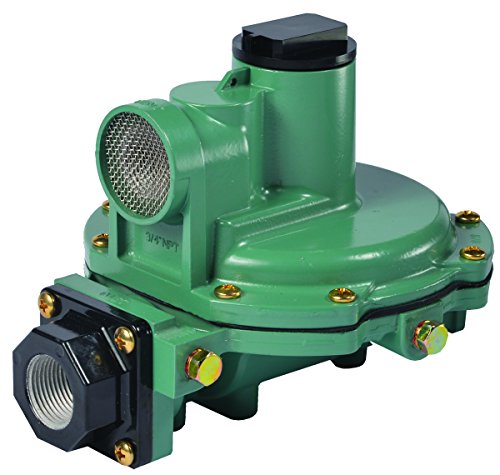
The Emerson-Fisher R622-DFF 2nd Stage regulator features a 3/4″ x 3/4″ NPT inlet/outlet with a 9–13″ W.C. spring. It supports up to 10 psig maximum inlet pressure and includes an emergency inlet at 50 psig. This model is known for rugged construction and dependable performance in propane applications where secure threading and consistent regulation are priorities for safe gas delivery downstream of the first stage.
Roastove LP-Gas Equipment R622-DFF 2nd Stage

The Roastove R622-DFF shares the same 9–13″ W.C. output range and 3/4″ FNPT connections, with a 10 psi maximum inlet and an emergency inlet up to 30 psi. It presents a compact, reliable option for propane systems where a straightforward 3/4″ FNPT interface and stable output are central requirements, aligning with standard first-stage regulators and typical LP gas lines.
Emerson-Fisher LP-Gas Equipment R632A-CFF Integral 2-Stage

The Emerson-Fisher R632A-CFF is an integral 2-stage regulator with a 9–13″ W.C. spring and a 1/4″ x 3/4″ NPT end connection. It supports a maximum inlet pressure of up to 250 psig and offers a precise 9–13″ WC output range, making it suitable for systems requiring compact, integrated regulation with a smaller inlet and larger outlet compared to typical 1/2″ lines. This model is often favored in compact installations where space and integrated design matter.
Emerson-Fisher LP-Gas Equipment R622-BCF 2nd Stage
The Emerson-Fisher R622-BCF provides a 9–13″ WC range with a 1/2″ x 1/2″ NPT configuration. It features a 10 psig maximum inlet pressure and a 50 psig emergency inlet. This model is well-suited to standard LP gas lines requiring reliable, compact second-stage regulation, and it mirrors many common equipment setups used in residential and portable propane applications.
Buying Guide: Key Purchase Considerations
- Inlet and outlet sizes: Match the regulator’s ports to your first-stage regulator and the downstream hose or pipe. Common sizes include 1/2″, 3/4″, and 1/4″ x 1/2″ combinations.
- Output pressure range: Most LP systems operate in a 9–13″ W.C. window. Ensure the chosen regulator maintains a stable output within your equipment’s requirements.
- Spring range and regulation stability: A wider adjustable range allows more flexibility for varying first-stage pressures or altitude changes, but stability under load is crucial for consistent performance.
- Mounting style: Backmount, inline, or integral designs affect installation footprint and maintenance access. Choose according to space and accessibility in your setup.
- Inlet pressure tolerance: Some models tolerate higher inlets (e.g., 50–250 psig emergency/inlet), which can be beneficial in systems with potential pressure surges or when retrofitting.
- Compatibility with first-stage regulator: Several second-stage regulators require a dedicated first-stage regulator; verify the interaction to avoid under- or over-pressurization.
- Materials and construction: For propane environments, consider regulators with corrosion-resistant materials and durable seals to extend service life in rugged conditions.
- Safety and certifications: Look for regulators designed for LP-gas service with appropriate safety listings and installation guidelines to ensure compliant operation.
How to select a regulator ultimately depends on your system’s scale, space, and supply requirements. When choosing among the options listed, consider whether you need a compact integral design, a backmount configuration for easier mounting, or a regulator with a broader outlet capacity to feed several appliances. Always pair a second-stage regulator with a compatible first-stage regulator at the tank to ensure safe, steady propane delivery across a wide range of operating conditions.