Choosing the right stair bullnose trim can dramatically improve the look and safety of stairs. This guide highlights top bullnose trim options, including unfinished European white oak nosings designed to coordinate with oak flooring, as well as complementary trims that enhance transitions and edges. Read on for a balanced view of materials, thickness options, installation notes, and buying considerations to help you pick confidently.
Summary of selected products:
| Product | Brand | Thickness | Length |
|---|---|---|---|
| European White Oak Stair Nosing (1/2″ Thick) | Summitt Forest Products | 1/2″ | 3.5′ |
| European White Oak Stair Nosing (9/16″ Thick) | Summitt Forest Products | 9/16″ | 7.5′ |
| European White Oak Stair Nosing (5/8″ Thick) | Summitt Forest Products | 5/8″ | 3.5′ |
| Socein Black Vinyl Stair Nosing | Socein | Vinyl | 3.3′ |
| Thickened Stair Edge Trim (Rubber) | TONGMO | Rubber | 10′ |
European White Oak Stair Nosing For 1/2″ Flooring
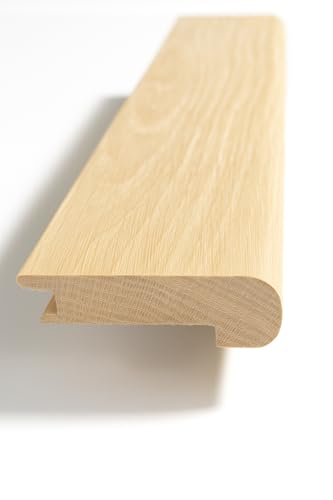
This unfinished European White Oak stair nosing is designed to coordinate with most imported prefinished oak floors. It is kiln-dried and ready to sand, stain, and topcoat, offering a seamless transition from tread to landing. The 1/2″ thickness is common for matched flooring profiles, helping to maintain a cohesive look across surfaces. Finish selection should consider the flooring sheen and color for the most natural blend. The product is sold in a 3.5′ length and is intended for exact flooring thickness to minimize waste.
Key considerations: verify actual flooring thickness before ordering, because thickness variances exist across products. The nosing is suitable for landings or treads to create a rounded, finished edge that complements the wood grain. If matching multiple room finishes, prefer a consistent stain and topcoat approach to preserve uniformity across transitions.
European White Oak Stair Nosing For 9/16″ Flooring
This 9/16″ option extends the same unfinished oak philosophy into a thicker profile, ideal for higher-traffic stairs or where deeper nosing is preferred. The solid white oak is kiln-dried and ready to sand, stain, and topcoat, matching a variety of oak flooring finishes. Pairing with landings or tread edges provides a bold, finished look that emphasizes the stair geometry. Availability in multiple thicknesses helps reduce waste when planning multi-room projects.
Practical notes: measure flooring thickness precisely and profile length to minimize offcuts. Consider whether a slightly thicker nosing will align with your riser height and flooring profile to maintain a flush top edge. As with all unfinished wood, test stain samples on a scrap piece or cut-off to match your final finish.
European White Oak Stair Nosing For 5/8″ Flooring
The 5/8″ thickness option continues the unfinished white oak series, offering a slightly thicker profile for enhanced durability and a more pronounced bullnose front. The same high-quality oak and finish readiness apply here, with cut-to-length options to reduce waste. This choice works well on stairs with heavier foot traffic or when a more substantial edge detail is desired for a bold architectural statement.
Installation tip: confirm your stair nosing length mirrors the run of the stairs, and plan for end cuts at risers if needed. Consider using matching wood filler or a compatible stain to ensure a consistent color across the edge and tread surfaces.
Socein Black Vinyl Stair Nosing & Edge Protector

This vinyl stair nosing offers water resistance and a non-slip, bullnose edge. While not wood, vinyl nosings are popular for rapid installations, high-moisture environments, or renovations where a quick, durable edge is needed. The product includes a strong adhesive for secure attachment; clean and dry surfaces prior to application. The textured, non-slip surface helps improve stair safety on indoor and some outdoor stairs, making it a practical complement to wood treads where safety is a priority.
Considerations: color and texture should harmonize with adjoining wood or tile finishes. Vinyl nosings are typically easier to install and replace than solid wood, but may show wear differently over time. For a blended look, select a vinyl color that closely matches the wooden tread edges or choose a contrasting trim for a modern style.
Thickened Stair Edge Trim – Rubber

This thickened stair edge trim provides a rugged, non-slip edge with a robust adhesive backing for secure application. The rubber construction offers water resistance and flexibility, making it suitable for both indoor and outdoor stair applications. It is designed to withstand frequent foot traffic and is relatively easy to install—simply measure, cut, and press into place. The edge detail is slightly more industrial in style, which can complement modern, rugged, or utility-driven designs.
Usage tips: ensure surfaces are clean and dry before applying the adhesive. For outdoor stairs, test for UV resistance and expandability with weather changes. If color coordination is important, select a trim color that blends with adjacent flooring or trim tones to maintain a cohesive look.
Buying Guide: Key Purchase Considerations
Material choice matters when selecting stair bullnose trim. Wood options, like unfinished European white oak nosings, pair beautifully with oak floors and allow you to customize finish. Vinyl and rubber trims, while not wood, offer installation flexibility, moisture resistance, and quick upgrades. When choosing, weigh how the trim’s thickness, length, and edge style align with your stair geometry, riser height, and overall interior design.
Consider these factors:
- Thickness and fit: Ensure the nosing thickness matches your flooring and tolerances to avoid trips or raised edges.
- Finish compatibility: Unfinished wood requires sanding, staining, and sealing. Match stain color and topcoat with surrounding flooring.
- Installation method: Wood nosings often require precise cutting and fasteners; vinyl and rubber trims rely on adhesive or simple press-in methods.
- Durability and environment: Wet areas or high-traffic zones benefit from resilient materials like vinyl or rubber trims, whereas wood is ideal for upscale, cohesive interiors.
- Aesthetic: Bullnose edges vary in curvature and visual weight. Choose a profile that complements the staircase and adjacent trim.
- Length and waste: Longer pieces reduce seams but may require trimming; plan for waste to maintain alignment across steps.
For projects involving matching several rooms, prioritize a consistent material family or a careful blend of complementary trims. When in doubt, order samples or small quantity runs to verify color, texture, and edge profile before committing to larger purchases.