Need a portable, easy-to-install solution to create private nooks in shared spaces? This guide highlights five top stand up room dividers that offer strong privacy, flexible sizing, and durable construction. Each option targets different living or working situations—from renters needing non-damaging installations to home offices seeking temporary walls. Read on to find which divider fits your space, then compare key features side by side in the buying guide below.
| Product | Best For | Key Benefit |
|---|---|---|
| FCCRETA Room Divider | Small to medium rooms, home offices | 3-layer privacy fabric and adjustable height |
| SUNALLY No-Drill Curtain Rod Divider | Rental homes, apartments | No-drill, highly adjustable height/width |
| HOMSCREENER 4-Panel | Large rooms, open-plan areas | 4-panel, portable with stable feet |
| FDW 4-Panel Wood Screen | Aesthetic separation, living rooms | Hand-crafted wood panels for visual appeal |
| RHF 4-Panel | Total privacy needs, tall partitions | 6 ft tall, multiple panel options |
FCCRETA Room Divider With Thickened Fabric
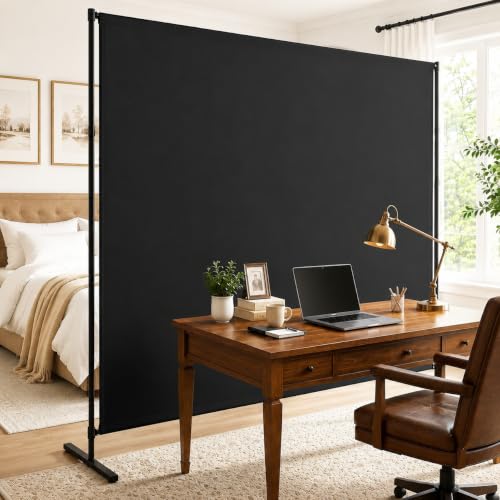
Best for: small-to-medium spaces where privacy is priority. This freestanding partition uses a three-layer high-density polyester fabric that is opaque and light-blocking. The steel frame is reinforced with thicker tubes for extra durability, making it suitable for frequent reconfiguration in busy environments like shared bedrooms, studios, or home offices.
Why chosen: It combines strong privacy with adjustable coverage. Side connectors let you customize the screen length and height, enabling a half-height setup for airflow or full-height privacy as needed. The fabric’s opacity helps obscure visual distractions in busy rooms.
Caution: As a fabric-based divider, it can collect dust and may require occasional cleaning. Ensure base stability on slippery flooring by placing non-slip mats if needed.
SUNALLY No-Drilling Curtain Rod Wall Divider

Best for: renters and temporary setups where wall alterations are not allowed. This no-drill option provides a quick, damage-free installation on hard surfaces. Height ranges from 4 ft to 10 ft, and width from 28 inches to 114 inches, with extension components for precise fitting.
Why chosen: The no-drill design is ideal for dorms, apartments, or versatile spaces. It supports flexible room zoning without permanent modifications.
Caution: Curtains are not included, so you’ll need compatible panels or fabric to achieve privacy. Check ceiling and wall surface compatibility before purchasing extensions.
HOMSCREENER 6-Panel Portable Room Divider

Best for: open-plan living spaces or large rooms needing multiple, configurable panels. The 6-ft-high design uses a sturdy steel frame with a powder coating to resist scratches and rust. Wide feet maximize stability for frequent rearrangement.
Why chosen: The fabric upgrade to 240 g polyester with PA coating offers improved privacy, wrinkle resistance, and ease of cleaning. The triple-buckle hinges allow easy directional adjustment and multi-panel connections for a temporary wall.
Caution: The 6-panel setup may require more floor space. Folding and storage time increases with more panels, so plan for temporary usage periods.
FDW Wood Screen Room Divider
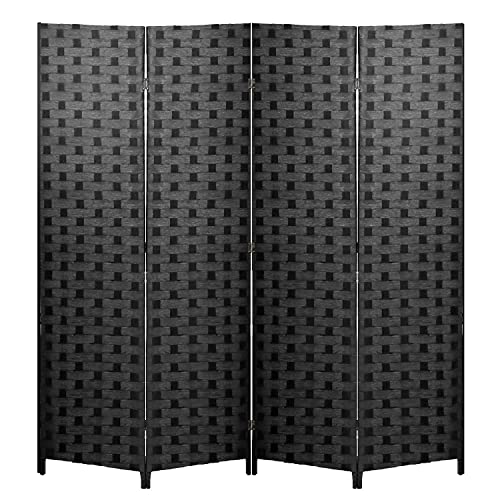
Best for: stylish room separation where aesthetics matter. This 4-panel wood mesh divider combines hand-crafted appeal with practical portability, suitable for living rooms, studios, or boutique spaces.
Why chosen: The wooden panels add a classic visual element while providing solid room separation. It folds for compact storage and is adaptable to different spaces by adjusting panel orientation.
Caution: Wood panels may require humidity-aware placement to prevent warping over time. Avoid placing near direct heat sources.
RHF 6-Ft Tall Room Divider

Best for: tall privacy needs and flexible partitioning in bedrooms or home offices. At 6 ft tall with multiple panel options, it provides substantial coverage and keeps private spaces isolated.
Why chosen: The tall design and two-way hinges allow expansive coverage while still folding for storage. The woven fiber design adds a decorative touch plus improved privacy compared to thinner screens.
Caution: Taller structures may require more floor space when fully opened. Ensure the base is stable on uneven floors to prevent wobbling.
Buying Guide: What To Consider When Choosing a Stand Up Room Divider
- Privacy level: Look for opaque fabrics or solid panels to block light and sightlines. Full blackout materials provide the strongest privacy.
- Size and scalability: Measure your space and consider whether you need a fixed-size panel or adjustable height/width. Some models offer extendable sections for future tweaks.
- Stability and durability: Steel frames and wide base feet improve stability in high-traffic areas. Materials like wood or coated metal resist wear over time.
- Portability and storage: Folding designs are easier to move and store. Check folded dimensions to ensure it fits your storage space.
- Installation impact: No-drill or freestanding options are ideal for renters or temporary setups. Consider surface compatibility and potential floor surface effects.
- Aesthetic fit: Choose finishes and panel designs that complement your room style, whether modern, rustic, or minimalist.
- Cleaning and maintenance: Fabrics with water resistance and wrinkle resistance simplify upkeep. Wood panels may require humidity control.
Frequently Asked Questions
- What is the best stand up room divider for renters?
– No-drill or freestanding options are preferred, as they don’t require wall modifications and can be moved easily. - Can room dividers block light completely?
– Fabrics labeled as blackout or 100% opacity provide the strongest light blocking, reducing glare and improving privacy. - How tall should a room divider be for privacy?
– Taller dividers (around 6 ft) offer more privacy in shared spaces, but ensure there is room for doorways or furniture placement. - Are wooden room dividers durable?
– Yes, when properly maintained, wooden panels offer durable, aesthetically pleasing separation and can be more resistant to wear in visible areas. - Do I need to clean fabric dividers regularly?
– Regular dusting is recommended; some fabrics are easier to wipe clean or water-resistant, depending on coating. - How should I choose between adjustable and fixed dividers?
– If your space changes often, choose adjustable height/width or multi-panel configurations for flexibility.