Looking for an efficient way to improve wall insulation with blow-in or reflective barrier sheets? This guide showcases five top options that are well-suited for DIYers and small contractors aiming to reduce radiant heat transfer and improve indoor comfort. Each product is evaluated for typical use cases, benefits, and practical limitations to help you choose the right approach for walls, ceilings, attics, or RV spaces.
| Product | Key Benefit | |
|---|---|---|
| SmartSHIELD 16×10 (3mm) | Residential walls, attics | High radiant barrier with vapor barrier |
| Houseables 48×50 (3mm) | Walls, ceilings, floors | Versatile, fire-rated, non-toxic |
| SmartSHIELD 48×10 (3mm) | Large wall areas | Effective radiant reflection and moisture control |
| MRRAPA 6MM Sheet | Attics, windows, lightweight walls | Thick double bubble for superior insulation |
| SmartSHIELD 16×50 (5mm) | Cold/heat barrier for walls | All-in-one vapor, radiant, and insulation |
The following selections emphasize ease of installation, material durability, and practical applicability for wall insulation projects. Each product section explains who should consider it, what makes it stand out, and any notable caveats.
SmartSHIELD 3mm 16×10 Reflective Insulation Roll
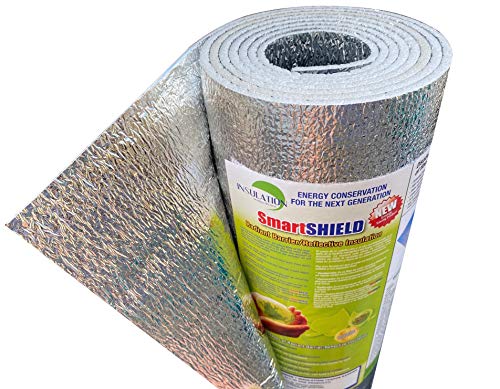
Best for small wall sections and retrofit projects where space is limited. This 3mm foam core insulation uses engineered foil on both sides to reflect radiant energy up to 95%, creating an effective radiant barrier while serving as a vapor barrier. It is lightweight and easy to cut, making it suitable for DIY installations in walls or ceilings. Consider this option if you need a compact, flexible barrier with moisture resistance. Caution: not designed to replace structural insulation in extreme climates; verify compatibility with local building codes.
Houseables Insulation Roll, 48 in x 50 ft

Best for larger wall and ceiling areas, offering broad coverage with high reflectivity. The 3mm foam core provides an effective balance of insulation and flexibility. Its 95% reflective surface helps block radiant heat and retain interior warmth in winter. It is fire-rated Class 1/Class A and non-toxic, supporting safe installations in homes and mobile spaces. Choose this when you need a versatile, all-around insulation sheet. Limitation: bulkier than other thin foils, may require more handling for precise cuts.
SmartSHIELD 3mm 48×10 Reflective Insulation Roll
Best for mid-to-large wall surfaces where a robust radiant barrier is needed. The 3mm foam core with reflective foil on both sides yields strong radiant energy reduction and moisture resistance. It meets the same practical standards as other SmartSHIELD rolls, making it a reliable option for structural walls and attic interfaces. Limitation: installation requires careful alignment to maximize reflectivity and may need additional fasteners for longer runs.
MRRAPA Reflective Double Bubble Aluminum Foil Sheet

Best for spaces needing extra thick insulation and strong reflectivity. The 6mm double bubble construction with aluminum foil on both sides delivers high radiant energy reduction and improved warmth retention. It includes self-adhesive pads for easier mounting and a broader covering area. Caution: the thicker profile may complicate tight-fitting corners or edge work in some wall configurations.
SmartSHIELD 5mm 16”x50ft R17 Roll

Best for larger wall projects needing an all-in-one solution. This roll combines radiant barrier with moisture and vapor barriers, plus fire-rated performance. Its R17 value helps with more demanding climate conditions. Choose this if you want an all-in-one product without multiple layers. Limitation: longer rolls can be heavy and require careful handling during installation.
Buying Guide
What type of wall insulation is right for you?
- Reflective insulation vs. traditional batt: Reflective foil products excel at blocking radiant heat and are often easier to install in retrofit projects.Batt or foam-core products add bulk and may provide better bulk insulation in some walls.
- Thickness and flexibility: Thicker options (like 6mm) provide stronger barriers but may be harder to fit in tight spaces. Thinner sheets (3mm) are easier to work with for small projects.
- Vapor and fire considerations: If your climate or building code requires vapor control or fire resistance, prioritize products with Class A/fire-rated credentials and proper vapor barriers.
- Application areas: Walls, ceilings, attics, and RV spaces each have unique requirements. Look for products marketed for the intended space, such as wall insulation rolls or window/door applications where applicable.
- Installation effort: DIY-friendly options often include self-adhesive pads or straightforward cutting guides. Heavier rolls may require more help or tools for precise placement.
Practical selection tips:
- For retrofit in narrow wall cavities, choose a 3mm reflective roll that is easy to cut and install.
- For large wall areas or attics, consider 3mm to 5mm options with strong radiant barrier performance and simple mounting systems.
- If temperature swings are severe, thicker 6mm or higher products may deliver better overall insulation, but verify fit and compatibility with framing.
Frequently Asked Questions
- What is the main benefit of reflective insulation for walls? It reduces radiant heat transfer by reflecting infrared energy away from living spaces, which can lower cooling costs in hot months.
- Do reflective insulations also act as vapor barriers? Some models include vapor barrier properties, but verify product specifications to ensure they meet local building codes.
- Can I install these alone, or do I need professional help? Many are designed for DIY installation with self-adhesive options or simple cutting guidelines, though large or complex projects may benefit from professional help.
- Will these products affect indoor air quality? Most listed items are non-toxic and designed for residential use; always follow safety guidelines during installation.
- Are reflective foils compatible with existing drywall and framing? In most cases, yes, but ensure proper clearance and avoid compressing any existing insulation layers behind the foil.
- How do I determine the right thickness? Consider climate, wall assembly, and installed surface areas. Thicker options provide stronger insulation but may be harder to fit in tight spaces.