When the goal is to stop water from penetrating an exterior wall, choosing the right coating or sealant matters. This guide highlights five proven products suited for exterior concrete, brick, and masonry surfaces, outlining who each is best for, and why. Whether you’re sealing a basement foundation, retaining wall, or above-ground brick, these options balance durability, water resistance, and practical application for homeowners and DIYers alike.
Summary of chosen products:
| Product | Best For | Key Benefit |
|---|---|---|
| KILZ Basement And Masonry Waterproofing Paint | Basements, masonry walls, concrete | Nanotechnology water barrier with alkali resistance |
| Ames Blue Max Liquid Rubber Waterproofer | Above and below grade foundations | Elastomeric, highly flexible, 1200% elongation |
| MasonryDefender All Purpose Brick Stone & Concrete Sealer | Outdoor masonry surfaces | Deep-penetrating silane/siloxane sealer |
KILZ Basement and Masonry Waterproofing Paint

KILZ waterproofing paint forms a barrier that blocks water pressure up to 12 PSI, making it a solid choice for concrete, brick, and masonry walls. Best for interior basement walls and exterior masonry where moisture is persistent but the surface is prepared. The formula resists alkali buildup and provides a durable finish in high-humidity areas. Do not use on walls with active leaks or on floors.
Best for: homeowners restoring damp basement walls or sealing masonry exteriors with low-to-moderate water exposure. Use as a finish coat after crack filling with hydraulic cement.
Limitation: Not recommended for walls with active water leaks or for floors. Requires surface preparation for best adhesion.
Ames Blue Max Liquid Rubber Waterproofer

Ames Blue Max provides a durable elastomeric coating with 1200% elongation, designed to prevent cracking and peeling on foundations, basements, and other concrete surfaces. It also serves as a versatile primer for roofs and other surfaces like wood and metal. It can be brushed, rolled, or sprayed on vertical or horizontal areas. Best for: projects needing a flexible, crack-bridging seal on exterior walls and roof interfaces.
Limitation: It is an elastomeric coating, so surface texture and proper priming affect results. Use as directed for best adhesion on porous masonry.
MasonryDefender All Purpose Brick Stone & Concrete Sealer
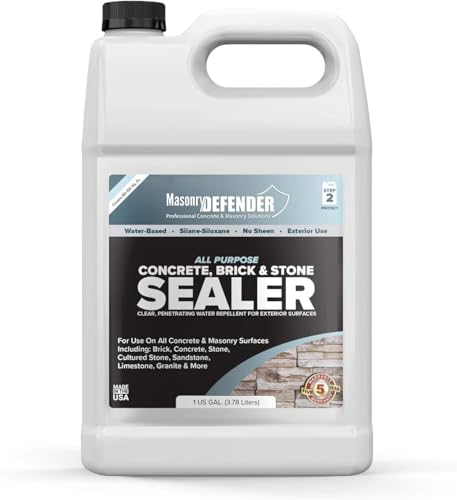
MasonryDefender offers a penetrating silane-siloxane sealer for outdoor masonry, brick, stone, and concrete. It creates a clear, waterproof barrier that preserves the natural look of surfaces while enhancing durability. One gallon covers approximately 90–150 square feet, depending on porosity. Best for: outdoor walls and decorative masonry where a non-glossy, breathable seal is desired.
Limitation: Clear sealers can be less dramatic than paint or elastomeric coatings; ongoing maintenance may be needed in very porous or highly trafficked areas.
XIRUJNFD 9900 Sealant Waterproof

This sealant provides waterproofing with heat resistance and high flexibility. It adheres well to multiple surfaces and resists tearing and stretching, making it suitable for joints, edges, and cracks in exterior walls. Best for: sealing structural gaps and weather-exposed seams where movement is expected. Caution: Ensure proper surface cleaning and priming when required for best adhesion and long-term performance.
Mollor Waterproof Exterior Paint And Primer In One
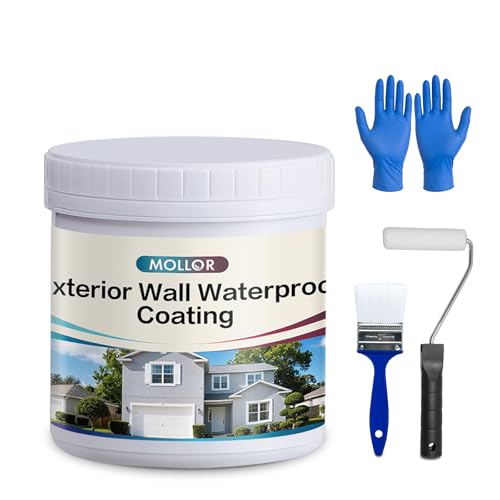
Mollor’s exterior paint and primer combination offers strong hiding power and excellent waterproof performance. It is water-based with low odor and ultra-low VOC, designed for walls, stucco, and brick. Best for: exterior walls that require a one-step paint-and-seal solution with minimized environmental impact. Limitation: As with most paints, proper surface preparation improves longevity and water resistance.
Buying Guide: Exterior Wall Waterproofing Considerations
- Surface type: Concrete, brick, and stone behave differently. Penetrating sealers work well for porous finishes, while elastomeric coatings tolerate movement.
- Exposure level: Basements and foundations face hydrostatic pressure; high-pressure conditions may require multiple products or primers.
- Breathability: Some coatings seal moisture inside; choose breathable formulas for masonry to prevent moisture buildup.
- Application method: Brush, roller, or spray compatibility affects coverage and texture. Some products excel as primers.
- Maintenance: Some coatings need reapplication after several years, while penetrating sealers may last longer with proper surface prep.
Frequently Asked Questions
- Q: Do I need to remove old coatings before applying a new waterproofing product? A: Yes, remove loose paint, oil, and dirt to improve adhesion and effectiveness.
- Q: Can these products be used indoors and outdoors? A: Many are versatile; check the label for interior/exterior suitability and ventilation requirements.
- Q: How long before exposure to rain after application? A: Drying times vary; follow manufacturer guidance for curing and weather windows.
- Q: Are penetrating sealers better than paints for exterior walls? A: It depends on appearance goals and moisture risk. Penetrating sealers preserve the surface look, while paints add color and a barrier.
- Q: Should I combine products (sealant plus paint)? A: In some cases, yes—use a penetrating sealer first, then paint or a topcoat for color and additional protection.